Free Things to Do in Galveston: The Strand, the Cemeteries and the Seawall for $0
Galveston's best free outing is a walk: the Strand's National Historic Landmark district, the Broadway cemetery grounds, the seawall and the bronze 1900 Storm Memorial all cost nothing, and the Rosenberg Library's Great Storm exhibit and the Port Bolivar ferry are free too.
Short answer
Yes, plenty. The Strand Historic District walk, the Broadway cemetery grounds, the seawall and the 1900 Storm Memorial, the Rosenberg Library's Great Storm exhibit and the 24-hour Port Bolivar ferry are all free. Paid tours start at $24, and the $33 Historic District walk adds the stories self-guided walkers walk past without hearing.
Galveston is one of the few Texas beach towns where the best attractions are not behind a ticket booth. The Strand Historic District, a National Historic Landmark designated on 05/11/1976, is free to walk end to end. The Broadway cemetery district's outdoor grounds are open to anyone who respects them. The seawall stretches for miles and the bronze 1900 Storm Memorial stands on it, installed in 2000, costing nothing to stand in front of at sunset.
This page is the $0 layer of a site that mostly covers paid ghost tours, and that is deliberate. Everything listed here is genuinely free, no suggested donation, no pay-what-you-want scheme, because no such product exists for Galveston. The single paid pairing on this page is the Historic District Walk, 1.5 Hours, from $33, framed as the guide-led layer of stories that self-guided walkers walk past without ever hearing. For the full paid menu, start with things to do in Galveston and work back to this page when the budget runs out.
Is There Anything Free to Do in Galveston?
Yes, and the free list is long enough to fill a weekend. The Strand National Historic Landmark district costs nothing to walk, the Broadway cemetery grounds are open outdoor history, the seawall and the 1900 Storm Memorial are free, the Rosenberg Library's Great Storm exhibit charges no admission, and the Port Bolivar ferry is a free 24-hour ride across the ship channel.
The island's free inventory falls into five buckets: the downtown historic district, the cemetery grounds, the seawall and its memorial, the free museum exhibits, and the ferry. Each bucket is covered in its own section below, with the practical details, the recorded history and the attribution for every haunting claim, because a free walk through haunted ground still deserves honest sourcing.
One thing this page will not do is pitch a free-with-a-wink product. There is no pay-what-you-want walking tour in Galveston, no name-your-price scheme, no free-tour-with-expected-tip model of the kind sold in bigger European cities. What exists instead is a set of public, permanent, genuinely free places, and a set of paid tours from $24 up that layer stories on top of them. Knowing which is which is the whole point of a $0 page.
The Strand: A Free Walk Through a National Historic Landmark
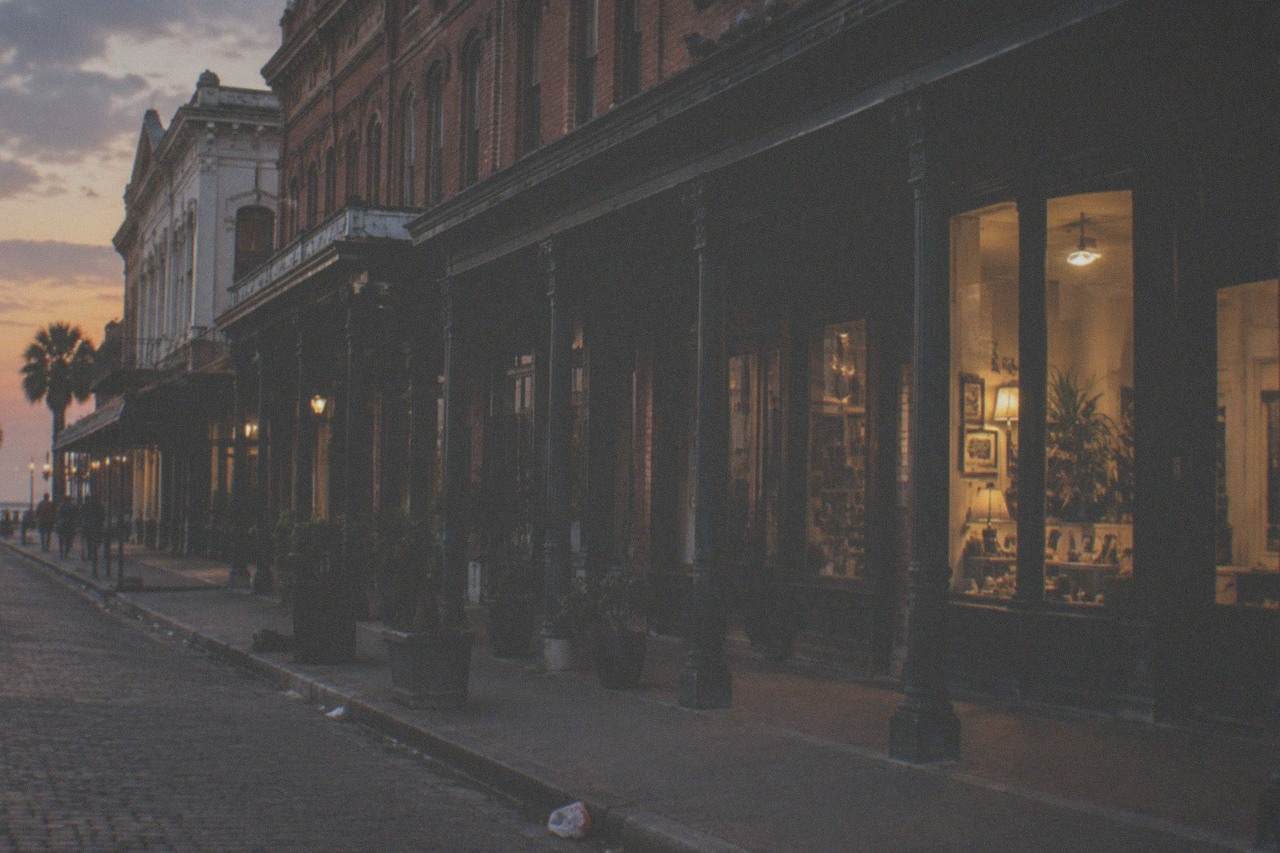
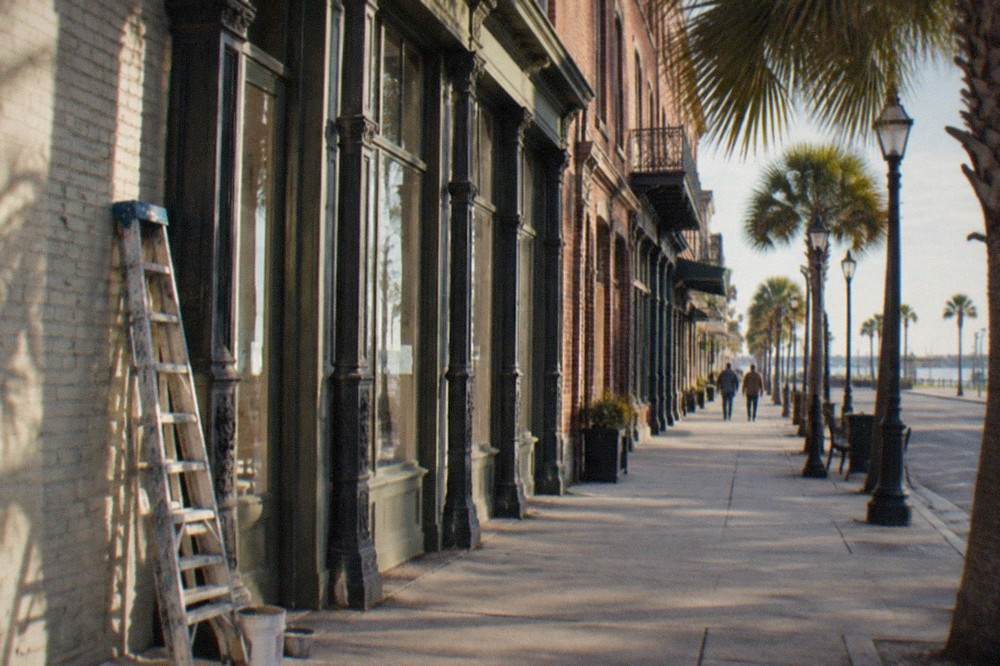
The Strand Historic District is free to walk, runs roughly a mile of Victorian commercial buildings, and was designated a National Historic Landmark on 05/11/1976, a status recorded on the official National Park Service list. No ticket, no tour required, just sidewalks, brick facades and cast-iron storefronts that survived the 1900 Storm.
Start at 25th Street and walk west. The district's buildings date from the decades when Galveston was the second-richest city per capita in Texas and The Strand was its wholesale banking spine, and the architecture is the evidence: heavy Italianate cornices, wrought-iron gallery rails, painted signage ghosted onto brick. The National Park Service's NHL list by state records the designation verbatim, including the East End Historic District on the same 05/11/76 date.
| Strand-area free stop | What it is | Recorded history | Cost |
|---|---|---|---|
| The Strand streetscape | Victorian commercial district, about a mile of storefronts | National Historic Landmark designated 05/11/1976 | Free |
| Hendley Green | GHF-built downtown green space in the Strand-Mechanic district | GHF began work on it in 2013 | Free |
| Galveston Railroad Museum exterior | 1904 GH&H Depot building and rail yard | Operator lore claims 40,000 passengers a day at its height, attribution required | Free to look, paid to enter |
| Tremont House facade | 2300 Ship Mechanic Row hotel exterior | Historic downtown hotel with a rooftop bar | Free to look, paid to stay |
| Sealy-Hutchings Building | 19th-century commercial building on The Strand | Guides tell of a "Sara" ghost on the staircase, an operator claim | Free to look |
The ghost stories here are real in the sense that they are genuinely told, but they are not history. Guides tell of a Civil War soldier and a little boy at the Tremont House, and of Sara on the Sealy-Hutchings staircase, and both claims come from the operators' own pages, not from any document. The Railroad Museum's engineer William Watson decapitation story is the same category: a legend with a name attached, told on the Strand ghost walk, not a verified historical record. Walk free, enjoy the buildings, and treat the hauntings as the folklore layer they are. For the deep dive into the district, see The Strand Galveston guide.
If the free walk leaves you wanting the stories attached to the buildings, three paid tours cover this exact ground with a guide doing the telling. The trio below is the honest shortlist for the Strand area.
Every one of those runs nightly and every listing carries free cancellation, so booking ahead costs you nothing but a few minutes.
The Broadway Cemetery District's Outdoor Historic Grounds
Galveston's Broadway cemeteries, Old City, New City, Evergreen and the Broadway grounds, are free to walk during daylight hours, and they hold some of the oldest marked graves on the island, including plots that predate the 1900 Storm by half a century. The outdoor grounds are public; no tour, ticket or appointment is needed to read the stones.
The cemetery district sits along Broadway between roughly 40th and 43rd streets, a cluster of historic burial grounds that the operators' own location lists name as Old City Cemetery, New City Cemetery, Evergreen Cemetery and Broadway Cemetery. Two paid cemetery walks meet here: the Cemetery Walk, Costumed Guides, from $31 at the Old City Cemetery gates on 40th and Avenue K, and the Ghost City Tours Cemetery Walk, from $29.99 at the Avenue K and 43rd Street gates. Both are covered in detail in the haunted cemetery tours guide, but the grounds themselves are free and open.
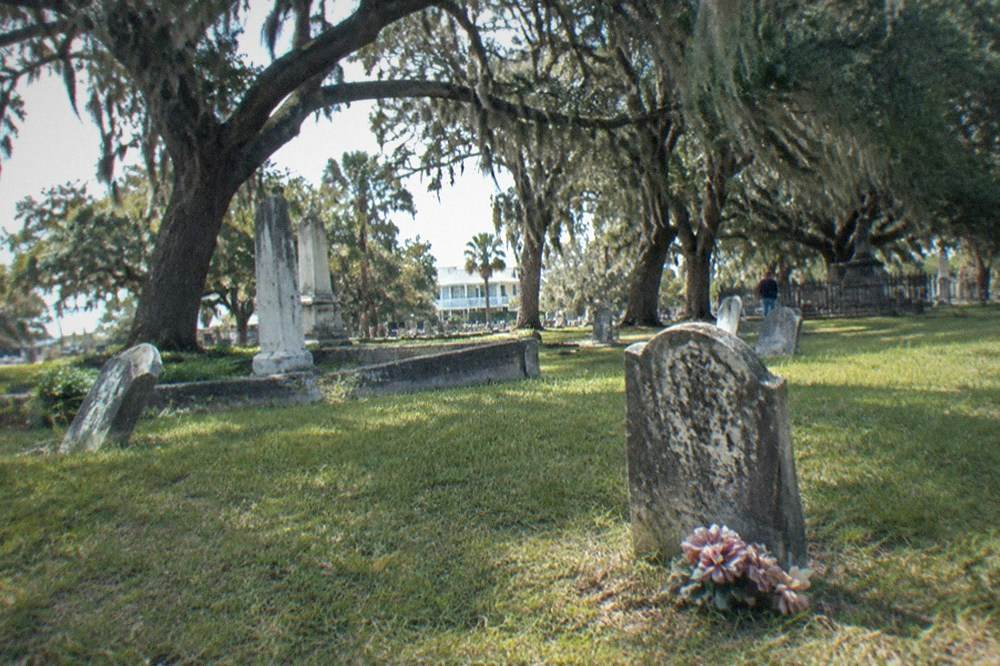
What you get for free is real Texas history in stone. The graves span the city's boom decades, its yellow fever years and its reconstruction after the 1900 Storm, and the marker styles tell the story faster than any plaque: Victorian marble, cast concrete, family plots fenced in iron. Respect the grounds, stay on paths, and treat the memorials as memorials, not photo props.
One cemetery deserves its own mention. Rosewood Cemetery, near 61st Street, was Galveston's first burial ground designated exclusively for African Americans; the association formed January 30, 1911, and records list 411 graves with only about 20 markers remaining. The Galveston Historical Foundation's Rosewood page carries the full record, and GHF's African American Heritage Committee maintains the site. It is free to visit and it is the most sobering free stop on the island.
The Seawall, the Beaches and the Free 1900 Storm Memorial
The seawall is free to walk its entire length, the beaches along it are public, and the 1900 Storm Memorial, a bronze sculpture by artist David Moore installed in 2000, stands near 47th to 49th on Seawall Boulevard and costs nothing to visit. It is the island's central monument to its worst night.
The memorial sits in the 4894 to 4930 block of Seawall Boulevard. The bronze figures commemorate the dead of the Great Storm of 1900, the deadliest weather disaster in United States history by the National Hurricane Center's own assessment. The death toll is a recorded disagreement among official sources and this site does not merge it: NOAA gives 8,000 with estimates from 6,000 to 12,000, the Texas State Historical Association gives 6,000 to 8,000 dead in the city and 10,000 to 12,000 for the island, the Galveston Historical Foundation says at least 6,000 from a pre-storm population of 37,700, and Visit Galveston says over 8,000. The National Hurricane Center's 1900 Storm page is the primary federal source for the storm itself. For the full account of the toll and how the sources disagree, read how many died in the Galveston 1900 Storm.
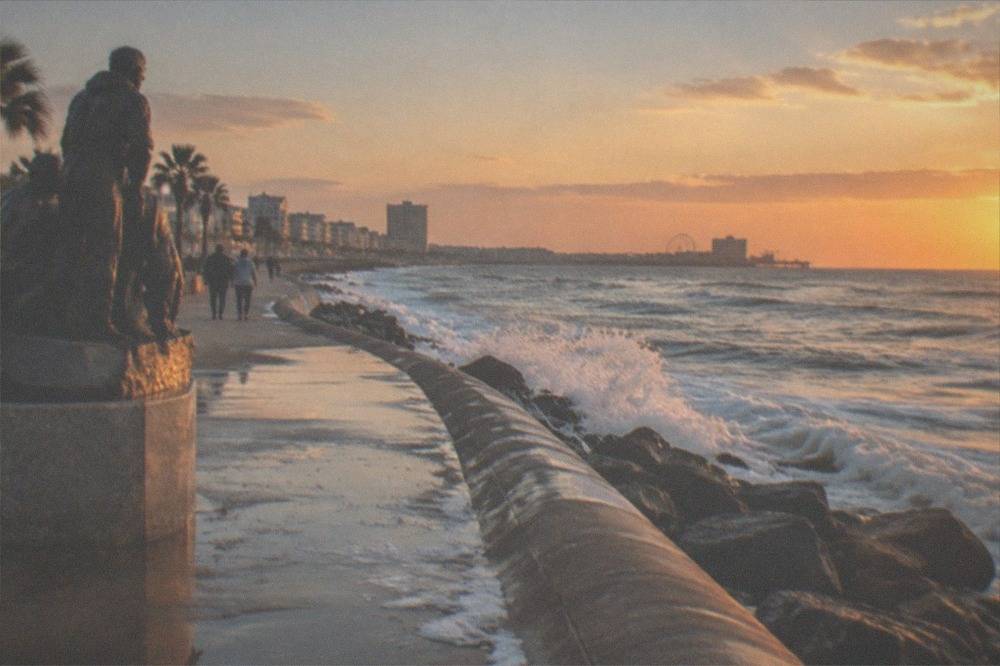
The seawall that protects the walk you are standing on is itself a monument. Begun after the storm, the original wall ran six miles at seventeen feet above mean low tide, and the grade-raising behind it pumped sand from the Gulf floor to lift the city as much as seventeen feet, a project that required raising 2,146 buildings plus streetcar tracks, fireplugs and water pipes in advance. GHF calls it the largest civil-engineering project in U.S. history, and that phrasing is GHF's, attributed here as such. The wall proved its worth in the 1915 hurricane, when only 11 people perished within city limits.
Walking the seawall is the island's default free evening, and the paid layer on the water is the Nighttime Harbor Boat Ride, from $56.02, a family-friendly 90-minute narrated cruise with no jump scares and year-round night departures in roughly the 7:30 to 10:30 p.m. range from the Pier 21 kiosk. If the free seawall stroll leaves you wanting the harbor's pirate and shipwreck stories told from the water, that is the product.
The boat is the only paid item on this page's seawall section, and it earns its slot: the harbor's stories, Jean Lafitte's camp, the 1900 Storm wreckage and the shipwrecks, read differently from a deck than from a sidewalk.
The Rosenberg Library's Free Great Storm Exhibit
The Rosenberg Library Museum's exhibit The Great Storm of 1900 is free to visit at 2310 Sealy Avenue, and it is the first museum exhibition devoted solely to the storm in the library's history, opened on September 8, 2025, the storm's 125th anniversary date. It includes the permanent Great Storm film and the library's storm photographs and artifacts.
The library sits directly across Sealy Avenue from the gazebo where the Historic District walking tours meet, which makes it the most convenient free-pair stop on the island: walk the exhibits in the afternoon, step outside at dusk, and you are standing at the meeting point. The Rosenberg Library Museum's exhibit page describes the show and the film.
The exhibit is the honest version of what the ghost tours gesture at. The storm photographs, the survivor accounts and the high-water record are documented history; the hauntings that tour guides narrate outside are folklore told in the storm's shadow. Both are worth your evening, but they are different things, and the library is where the documented half lives, for free.
The Free Port Bolivar Ferry Ride
The Galveston to Port Bolivar ferry is free, runs 24 hours a day, seven days a week, and is operated by TxDOT as a toll-free service. One vessel runs continuously with extra vessels added by traffic volume, and night crossings are scheduled around the clock, making it a free ferry crossing run by TxDOT along the Texas coast.
The TxDOT ferry schedule page is the official source for the service. The ferry runs day and night, and pedestrians ride on the deck for free, and dolphins frequently follow the boats through the channel, which turns a free transit ride into some of the best wildlife viewing on the island. Drive on if you want to explore the Bolivar side, or walk on and ride out and back for the pure experience.
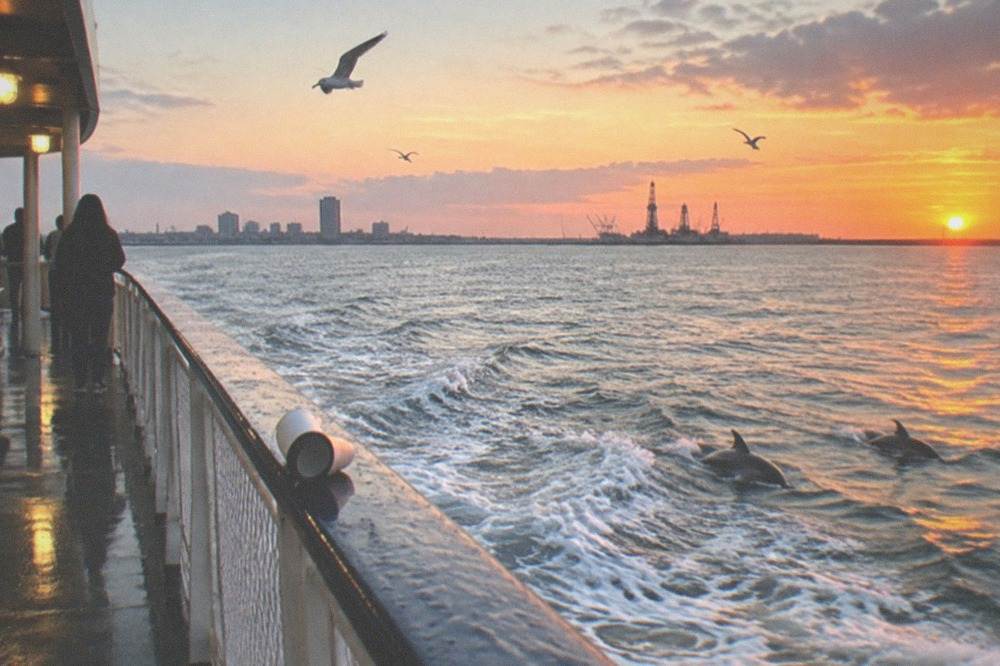
Practical notes: arrive early on summer weekends, when the queue for vehicles can stretch past an hour, and check the schedule for the current departure pattern before planning a night ride. The ferry is weather-dependent in the way any small-craft crossing is, and TxDOT suspends service in severe conditions.
Planning a night ride pairs naturally with the island's after-dark legends, and the ghost tour is a fitting way to hear them.
Free Events: Sacred Places Tour and the September 8 Memorial
Galveston Historical Foundation's Sacred Places Tour opens the city's historic cemeteries once a year as a guided event, and The Great Storm Public Memorial is held every September 8 at the 1900 Storm Memorial at 49th and Seawall, free, no ticket needed. Both are calendar-dependent free outings worth planning a trip around.
For those who prefer their cemetery history with a guide on hand year-round, this evening walking tour of Galveston's haunted graveyards covers similar ground outside the foundation's annual schedule.
The Sacred Places Tour is GHF's annual cemetery event, and the GHF anniversary programs page carries the September 8 memorial's details. The 2025 anniversary was the 125th and it was marked heavily: more than 6,000 people lined the seawall from 23rd to 61st Streets on September 6, 2025 for a Guinness World Records attempt, and GHF's 1900 Storm Survivor Plaque Program has marked more than 700 properties since 2000. The 126th anniversary was marked around September 8, 2026.
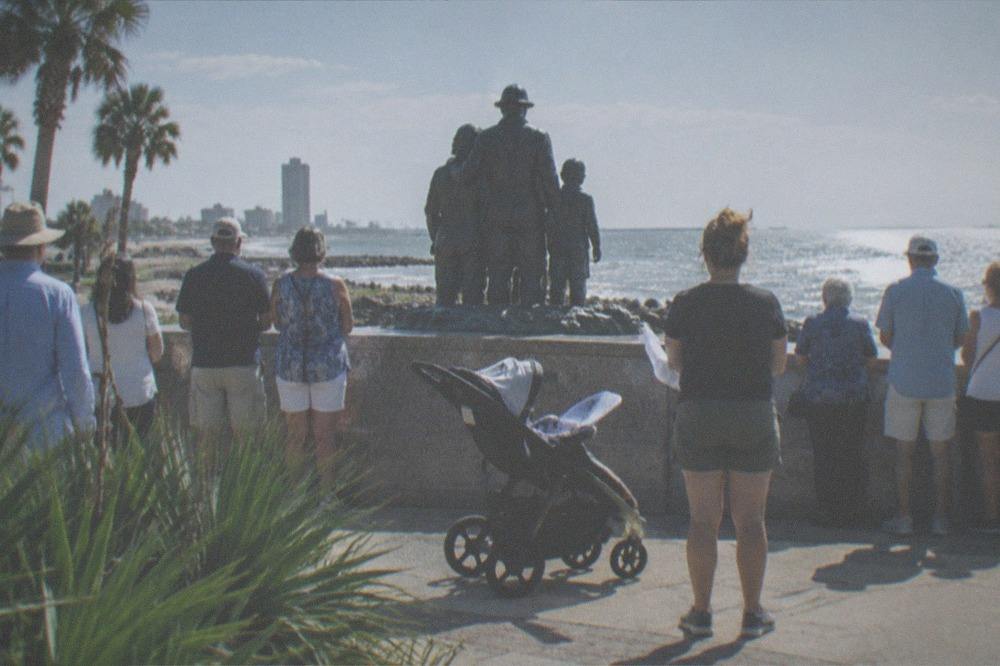
A September visit is the free-traveler's jackpot: the memorial ceremony, the survivor plaques scattered through the East End, and the Rosenberg exhibit all in the same week, all free. Check the GHF calendar before you book anything, because the anniversary programming varies year to year and the free events do not always repeat in the same format.
The scattered plaques reward wandering, but a guide stitches those stops into a story, and Walk With the Dead does exactly that once your September plan is set.
What a Paid Tour Adds to a Free Day
A paid tour adds the stories, the pacing and the access to narration that a free walk cannot: the Historic District Walk, 1.5 Hours, costs from $33, runs nightly with 4.8 across 1,802 reviews, and covers the same streets the free Strand walk covers, except someone tells you who is said to haunt each one. Free gets you the buildings; paid gets you the voices.
The framing matters here. Nothing on this page argues the free walk is insufficient; the Strand, the cemeteries and the seawall are complete experiences on their own. But the operators' guides carry research, characters and delivery that a plaque does not, and the honest comparison is between what you can see for $0 and what you can hear for the price of a dinner.
For the nights when hearing a place matters more than retracing it, the ghost walk along the Strand is the dinner-priced side of that honest comparison.
| Experience | What you get | Cost | Rating and reviews |
|---|---|---|---|
| Self-guided Strand walk | The buildings, the district, your own pace | $0 | Not applicable |
| Historic District Walk, 1.5 Hours | Guide-led stories, Ashton Villa and district stops, nightly 6, 8, 10 p.m. | From $33 | 4.8 across 1,802 reviews |
| Budget Fare, Broadway Meeting Point | The lowest-priced guided walk on the roster, meets 2328 Broadway | From $24 | 4.7 across 75 reviews |
| Nighttime Harbor Boat Ride | 90-minute narrated harbor cruise, family friendly, no jump scares | From $56.02 | 4.8 across 448 reviews |
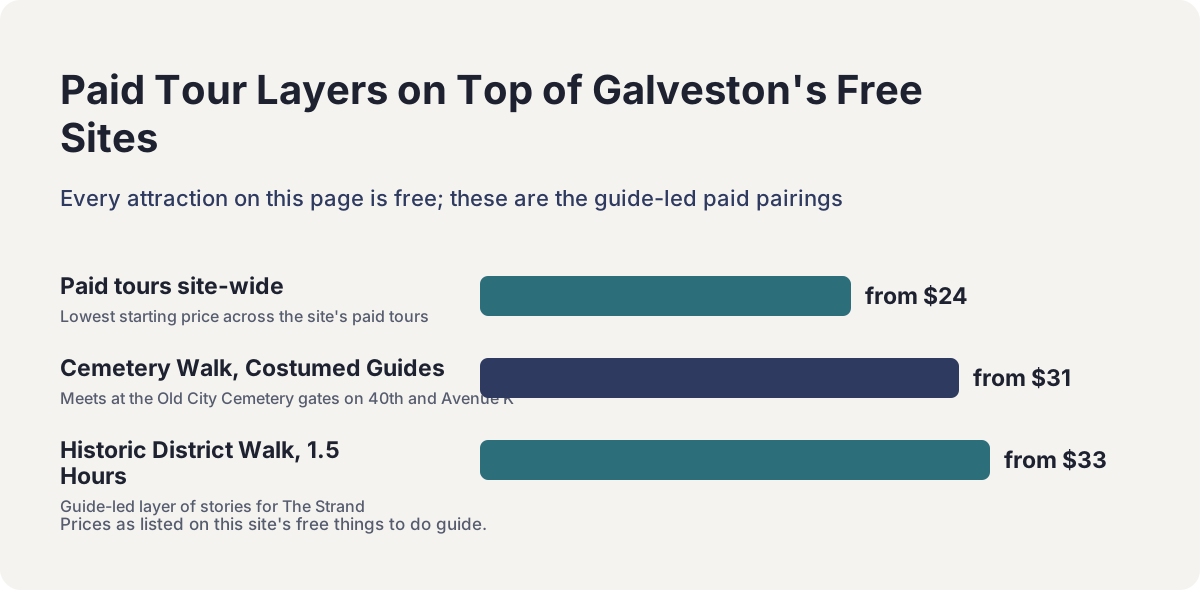
The Budget Fare, Broadway Meeting Point walk is the budget answer when even $33 feels like too much: from $24, 4.7 across 75 reviews, 1.5 hours, meeting at 2328 Broadway in the heart of the East End mansion district. It is the lowest from-price of any guided walk on the roster and it covers ground the Strand walks do not.
The hero product, though, is the Historic District Walk, 1.5 Hours: from $33, 4.8 across 1,802 reviews, the most reviewed tour on the roster, meeting at the 24th and Sealy gazebo across from the Rosenberg Library. That meeting point is the same block as the free Great Storm exhibit, which makes the pairing almost too neat: exhibit at 4, tour at 6 or 8, seawall memorial on your own afterward. The operator's own box office prices the walk at $30 adults and $22 for children ages 3 to 12, with active-duty military, police and fire always free, no ticket needed; the listing from-price and the box-office price are two real price layers, each labeled as itself.
One note on the hotel you will hear about from every guide: the Grand Galvez, long known as Hotel Galvez, runs its own ghost program and promotes the celebrated story of the Ghost Bride, and that program is benched from this site's roster for thin review coverage. Route bookings to the walking tours above, never to the hotel's own program, and enjoy the Ghost Bride as the hotel tells it, on the hotel's own terms.
Planning a Free Day: Parking, Timing and Getting Home
Downtown Strand parking is metered at $2.25 per hour from 9 a.m. to 6 p.m. in the 20th to 25th and Harborside to Church district, and free after 6 p.m., which aligns perfectly with the ghost tours' 6, 8 and 10 p.m. slots. Seawall parking is $2 per hour from 10 to 6 with free north-side stretches, and the city's Get Home Safe page lists taxis and rideshare for the ride back.
The practical math for a free day: park downtown before 6 p.m. and pay the meter, or arrive after 6 and park free on the Strand, walk the district in the golden hour, then join a tour or keep walking free. The city's 17 pay stations take cash, card and PayByPhone, enforcement is by license plate, and handicap and Disabled Veteran plates are exempt from downtown fees. The City of Galveston's downtown parking page is the official source for all of it.
From there, the evening's natural next step is the Historic Galveston Ghost Tour, a guided walk through the district's ghost stories once the streetlights come on.
| Free-day leg | Free option | Paid fallback | Timing note |
|---|---|---|---|
| Getting to the Strand | Street parking after 6 p.m. | Metered $2.25/hour, 9 a.m. to 6 p.m. | 17 pay stations, PayByPhone accepted |
| Seawall stretch | Free north-side stretches, 12th to 19th and 33rd to 39th | $2/hour, 10 a.m. to 6 p.m., $16 day max | Walk early or after 6 |
| Crossing to Bolivar | TxDOT ferry, free, 24 hours | None | 20-minute crossing, extra vessels by traffic |
| Getting home late | Walk, if downtown | Taxis from the Get Home Safe list | Non-emergency police: 409-765-3702 |
The Strand after 6 p.m. is the free-traveler's version of a paid evening: the district is quiet, the storefronts are lit, the entertainment district's to-go cup rules let you carry a drink from a licensed bar in a plastic cup under 16 ounces from 11 a.m. to 11:59 p.m. if you want the pub-crawl atmosphere without the pub crawl. For that atmosphere with stories attached, the paid version is the 2-Hour Pub Crawl, Drinks Extra, from $34.99, strictly 21+, covered in the haunted pub crawl guide.
A full weekend built around this page's free core, with paid tours slotted in where they earn their price, is laid out in the Galveston weekend itinerary, and the island's broader paid menu, cruises, museums, attractions, is in the main things to do in Galveston roundup. This page's job was the $0 layer, and that layer is thick enough that you could skip every paid item on the site and still leave with a full picture of the island. Most visitors, once they have walked the Strand free at dusk, want the stories too, and that is what Galveston Ghost Tours exists to sell: not access to the buildings, which are already yours, but the telling.
Common Questions About Free Things to Do in Galveston
Is there anything free to do in Galveston?
Yes. The Strand National Historic Landmark district, the Broadway cemetery grounds, the seawall and the 1900 Storm Memorial, the Rosenberg Library's Great Storm exhibit and the Port Bolivar ferry are all free, and the Sacred Places Tour and the September 8 memorial are free annual events.
What is free to do in Galveston?
Walk The Strand, walk the cemeteries along Broadway, walk the seawall past the 1900 Storm Memorial, visit the Rosenberg Library's storm exhibit, and ride the Port Bolivar ferry, all for $0. Parking on the Strand is free after 6 p.m.
Is the Galveston ghost tour free?
No. Guided walks start at $24 for the Budget Fare, Broadway Meeting Point walk, and the standard Historic District Walk, 1.5 Hours runs from $33, 4.8 across 1,802 reviews. No pay-what-you-want or free-tour product exists in Galveston.
How much does it cost to walk The Strand?
Nothing. The Strand Historic District is a public street with free sidewalks, designated a National Historic Landmark on 05/11/1976. Downtown parking is metered at $2.25 per hour from 9 a.m. to 6 p.m. and free after 6 p.m.
Is the 1900 Storm Memorial free to visit?
Yes. The bronze memorial sculpture by David Moore, installed in 2000, stands along Seawall Boulevard near 47th to 49th Street and is free to visit at any hour. The annual public memorial ceremony there on September 8 is also free.
Is the Port Bolivar ferry really free?
Yes. The Galveston to Port Bolivar ferry is a TxDOT-operated toll-free service running 24 hours a day, seven days a week, with night departures scheduled around the clock and extra vessels added by traffic volume.