The Strand Historic District in Galveston: Shops, Bars, History and Hauntings
The Strand Historic District became a National Historic Landmark on May 11, 1976, when the National Park Service added it to the official list of the nation's most significant places. Today the district fills several downtown blocks with Victorian ironfront commercial buildings, and nearly every ghost walk on this roster meets on or near this street after 6 p.m.
Short answer
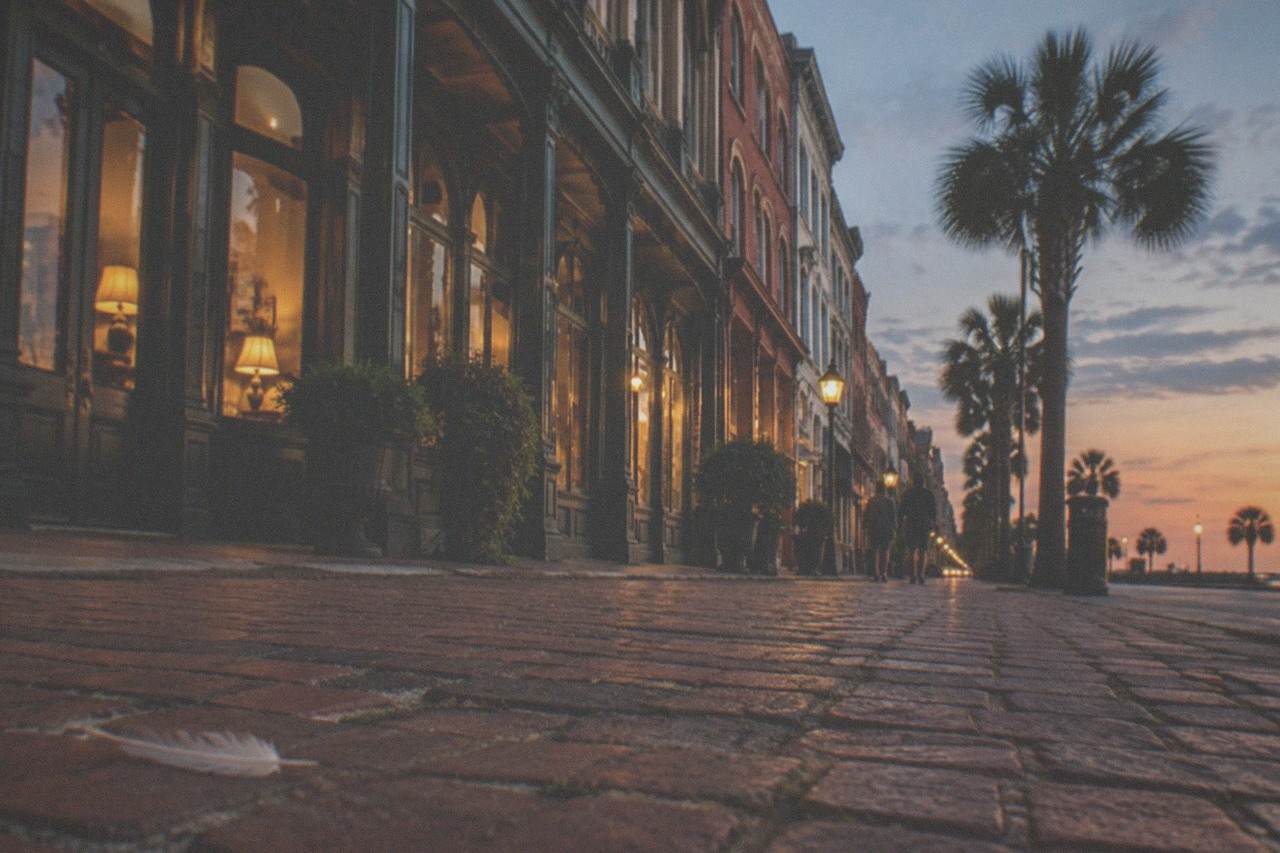
The Strand is Galveston's National Historic Landmark downtown district, a row of Victorian ironfront buildings that now hold shops, restaurants, bars and the Tremont House hotel. It is also the island's busiest ghost-tour corridor: multiple evening walks meet here, and the district's bars anchor the haunted pub crawl.
The Strand runs through the middle of Galveston's downtown, a compact commercial strip where the island's 19th-century wealth was built and where its ghost tourism now concentrates. The street's ironfront facades, the bars tucked behind them and the walking tours that crisscross the district after sundown all trace back to the same stretch of pavement. Galveston Ghost Tours covers the meeting points, the stories and the logistics of this one district because so many of the tours either meet right on the Strand or pass through it within the first ten minutes. If you are planning an evening here, knowing the street's layout before you arrive saves time and confusion.
The district is compact enough to walk end to end in about fifteen minutes, but its story spans more than a century and a half. Its buildings, its designation as a National Historic Landmark and its current role as the island's nightlife spine all matter for visitors. The sections below answer the question people actually search, then unpack the history, the bars, the hauntings and the practical details.
What Is the Strand in Galveston Known For?
The Strand is Galveston's downtown commercial district, a National Historic Landmark row of Victorian ironfront buildings that now houses shops, bars, restaurants and the Tremont House hotel. Guides tell visitors it is the heart of the island's ghost-tour circuit: several evening walking tours meet on or beside this street, and its bars anchor the haunted pub crawl.
The Strand's reputation rests on three legs that support each other. First, the architecture: the street's cast-iron storefronts are among the best surviving examples of Victorian commercial design in Texas, and the National Park Service recognized the district's significance on May 11, 1976. Second, the current commercial life: the buildings hold boutiques, galleries, candy shops, restaurants and bars that stay busy after dark. Third, the ghost stories: the district's old hotels, the railroad museum and the buildings themselves carry operator-attributed haunting claims that walking tours retell nightly.
A visitor asking what the Strand is known for gets a different answer depending on the hour. At noon, it is a shopping street. At 8 p.m., it is a ghost-tour staging ground. Both answers are true, and the transition between them happens quickly. The district's compact footprint means a visitor can browse shops in the late afternoon, eat dinner nearby, and walk to a 6 or 8 p.m. ghost tour without moving the car.
The street's name is written on the district's official landmark listing as simply "Strand Historic District," and the Galveston Historical Foundation uses the broader name "Strand-Mechanic Historic District" for the downtown area around it. The Mechanics row ironfronts, the parallel street that runs behind the Strand, form part of the same urban fabric. Understanding the relationship between the two streets helps with navigation, since several bars and parking points sit closer to Mechanic than to the Strand's main storefront row.
| Landmark or Building | Date or Detail | What It Is |
|---|---|---|
| Strand Historic District | Designated May 11, 1976 | National Historic Landmark |
| Tremont House | 2300 Ship Mechanic Row | Historic downtown hotel with The Rooftop Bar |
| Hendley Green | GHF project since 2013 | Urban green space in the Strand-Mechanic district |
| Galveston Railroad Museum | 25th and Strand | Museum housed in the old rail depot |
The Strand's National Historic Landmark Designation
The Strand Historic District was designated a National Historic Landmark on May 11, 1976, a listing that appears with that exact date in the National Park Service's official roster. The district shares the federal landmark status with the East End Historic District, which contains the 1892 Bishop's Palace, and with the tall ship Elissa docked at the Texas Seaport Museum.
The official list of National Historic Landmarks by state, maintained by the National Park Service at its NHL roster, records the entry verbatim: "Strand Historic District - 05/11/76 Galveston, Galveston County, TX." The same list shows the East End Historic District with the same designation date, May 11, 1976, and the bark Elissa with a later designation of December 14, 1990. These three Galveston entries together mark the island's concentrated pairing of built and maritime history.
National Historic Landmark status is not the same as a local register listing or a National Register of Historic Places entry. It is a federal designation for places judged to hold exceptional national significance, and it carries more restrictions on alteration than a basic register listing. The Strand earned it for its ironfront commercial architecture, a building type that once lined port cities across the Gulf and Atlantic coasts but survives in Galveston with unusual density and completeness. The designation matters to visitors mainly because it signals authenticity: the facades are original Victorian work, not theme-park recreations.
The district's landmark designation also applies to the street's historic relationship to the waterfront. The Strand sat one block back from the wharves in the 19th century, which kept its buildings close to the harbor without exposing them to every storm surge. That position, plus the post-1900 grade raising, explains why so much of the street survives with its original fabric intact. When ghost tours describe the district as old enough to have seen the 1900 Storm, they are pointing at buildings that genuinely stood through it.
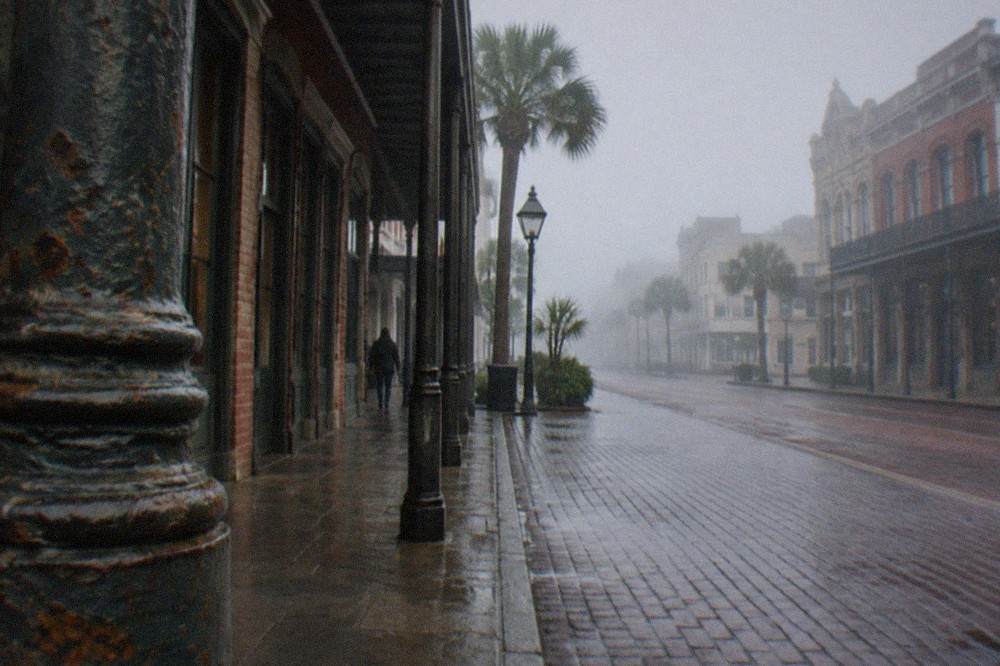
The district's historic status also anchors the way operators present their routes. The "Historic District Walk, 1.5 Hours," the most reviewed tour on the roster, meets across from the Rosenberg Library and works the blocks around the Strand. The "Ghost City Tours District Walk" meets at Trinity Episcopal Church and covers the same general territory. Neither operator invented the history; they both route their stories through buildings whose landmark status is a matter of federal record.
Shops, Bars and the Tremont House Rooftop
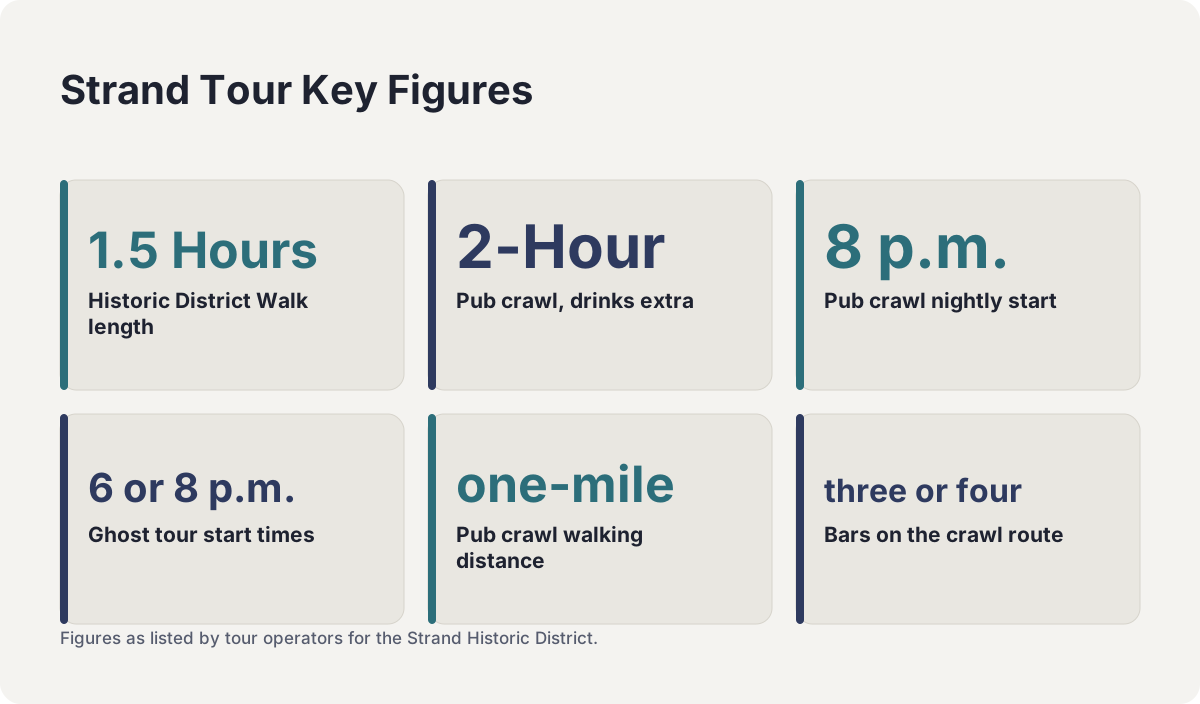
The Strand today is a working retail and nightlife street: boutiques, galleries, souvenir shops and restaurants fill the ironfront buildings, and several bars cluster near 25th Street. The Tremont House hotel at 2300 Ship Mechanic Row operates The Rooftop Bar, and the district's pub stops anchor the 2-hour haunted pub crawl that starts nightly at 8 p.m.
Shopping on the Strand runs the expected range for a port-city tourist district: apparel boutiques, art galleries, spice and candy shops, antique dealers and Galveston souvenir stores. The storefronts are small and densely packed, which makes browsing the street a stop-and-start affair rather than a single destination. Most shops close by early evening, at which point the district's center of gravity shifts to the bars and restaurants that keep later hours.
The bar scene clusters around the 25th Street intersection and the blocks immediately east of it. The haunted pub crawl, sold as the "2-Hour Pub Crawl, Drinks Extra" and run by Ghost City Tours, meets at 123 25th Street and walks the area for two hours with stops at three or four bars. The operator's listings name Brews Brothers at 2404 Strand, 3 Doors Down Bar and Hendley Market among the stops, with the caveat that not every bar is guaranteed on every night. Drinks are purchased at the bars, never included in the ticket, and the crawl is strictly 21 and up with a valid ID required at the door.
The Tremont House sits one block off the Strand at 2300 Ship Mechanic Row, a short walk from the main commercial stretch. Its Rooftop Bar gives visitors an elevated view of the district, and the hotel itself appears on multiple ghost-tour rosters as a named stop. The Tremont's own history as a rebuilt 19th-century hotel, plus the operator-attributed ghost stories attached to it, make it the rare Strand-adjacent venue that functions as both a real bar and a storytelling prop on the walking tours.
The "2-Hour Pub Crawl, Drinks Extra" is the district's most direct after-dark social option. The crawl's nightly 8 p.m. start, its two-hour length and its roughly one-mile walking distance make it an easy add-on for visitors who want a structured bar hop without planning one themselves. The operator's page notes the tour runs rain or shine, with indoor bar time in heavy rain, and that the route is not wheelchair accessible. The crawl carries a 4.7 rating from 168 reviews on the live listing, a stronger signal than any single write-up, and the review spread points to consistent nights out on the Strand.
Beyond the bars, the Strand's evening scene includes restaurants at several price points and the occasional street performer or festival setup. During Dickens on The Strand, the first weekend in December, the district closes to traffic and fills with Victorian-themed vendors and performances. The official festival link for the December 4 through 6, 2026 edition appears on the Galveston Historical Foundation's event page. That festival alone changes the district's character entirely for three days, and ghost-tour operators adjust their walking routes around the street closures.
Hauntings Along the Strand
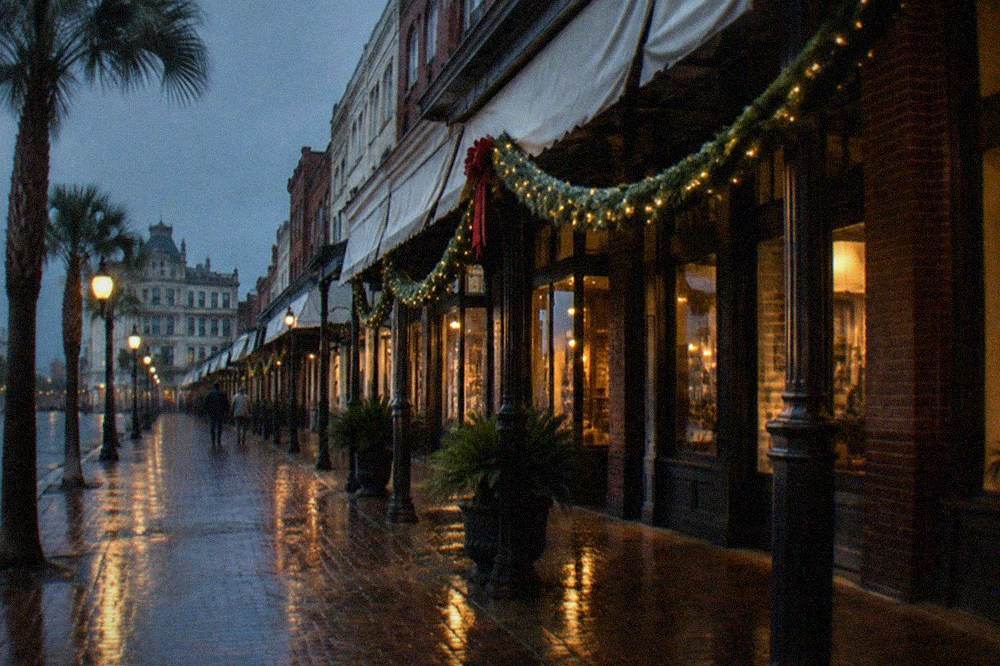
Nearly every haunting story on the Strand comes from operator lore and local legend, not documented history, and good tours attribute each one. The recurring figures include a crying Civil War soldier and a young boy at the Tremont House, the engineer William Watson at the Railroad Museum, and Sara on the staircase of the Sealy-Hutchings Building.
The Tremont House carries the district's most layered ghost claims. The operator's own pages describe crying sobs, a Civil War soldier apparition and a young boy ghost, all attached to the hotel's upper floors and service areas. These are attributed stories, not verified events, and the hotel itself does not promote them in the same way it promotes its rooftop bar and dining rooms. The "Ghost City Tours District Walk" includes the Tremont on its route, and guides frame the stories as local tradition, which is the honest presentation these stories deserve.
The Galveston Railroad Museum at 25th and Strand contributes the engineer William Watson story, a decapitation account that Ghost on the Strand's own page retells (see Haunted Walmart). The operator's page also repeats the claim that the railroad station once saw over 40,000 people a day, a figure that should be attributed as operator lore rather than state history. The museum building itself is real and open to visitors, but the ghost story layered on top of it belongs to the tour tradition, not to any documented incident file. The distinction matters because the Strand's history is strong enough to stand without embellishment.
The Sealy-Hutchings Building, one block off the main street, brings the Sara ghost story. Operator pages describe her apparition on the staircase, and the tale appears across multiple 2026 listings for Strand ghost walks. As with William Watson and the Tremont figures, the story is attributed to legend and the operator's own telling. The building's commercial history and its role in Galveston's port economy are documented, but the staircase ghost is not. A careful tour guide presents both layers, and the best operators on this roster do exactly that.
The "Ghost City Tours District Walk" covers the Strand-area haunting claims in a 1.5-hour loop that meets at Trinity Episcopal Church on Avenue H. Its 4.7 rating comes from 76 reviews, a small enough pool that the number should be read alongside the written feedback rather than as a guarantee of any particular experience. Guests repeatedly describe the walk as well paced and the storytelling as respectful of the line between history and legend. That balance is what separates a ghost tour from a haunted-house attraction.
The district's hauntings also reach the Grand Galvez, long known as Hotel Galvez, a short walk south of the Strand on the Seawall at 25th Street. The hotel runs its own ghost program and promotes the celebrated Ghost Bride of Room 501 story on its official ghost tour page. The property itself is historically significant, dating to 1911 and carrying the AAA Four-Diamond designation, but the Ghost Bride is the hotel's own promotional tale. The walking tours mention it, the hotel promotes it, and neither treats the story as anything more than a good ghost legend.
The Strand's hauntings, taken together, form a map more than a single story. The Railroad Museum, the Tremont, the Sealy-Hutchings and the Grand Galvez each contribute one or two named figures, all attributed to operator or hotel legend. A visitor who walks the district with a tour hears the full set in a structured order. A visitor who walks it alone sees only the buildings, which is why the tours hold their value.
Why Ghost Walks Run This Street After 6 p.m.
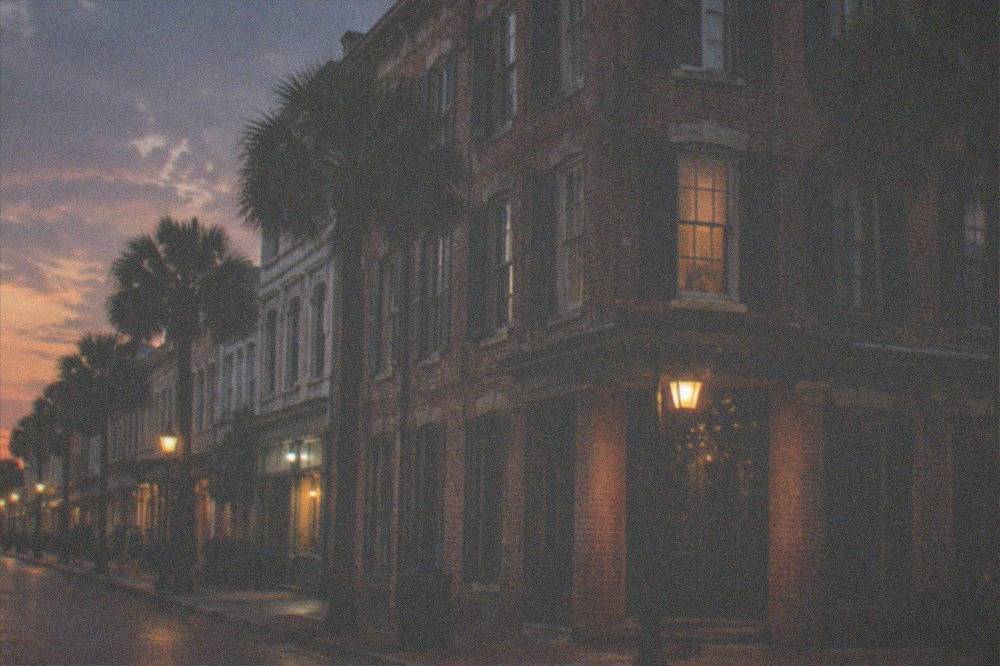
Ghost walks cluster on the Strand because the street combines a dense row of historic buildings with short walking distances, and because downtown paid parking enforcement ends at 6 p.m. nightly. Operators run 6, 8 and 10 p.m. departures, with the "Strand Meeting Point Walk" meeting at 2411A The Strand in front of Patrick's Bar.
The Strand's after-6 ghost-tour density is not an accident. Several practical factors align. The district's buildings sit close together, which means a 90-minute walk can cover a dozen stories without walking more than about a mile. The street's sidewalks are wide enough for groups. And the parking situation, which the operator's own page summarizes as "Parking on the Strand is free after 6 pm," removes the cost barrier that would otherwise attach to an evening visit. The operator's statement matches the city's enforcement schedule: downtown meters stop running at 6 p.m., so arriving for an 8 p.m. tour costs nothing to park on the street.
Between the free parking and the compact route, the evening practically plans itself, and the remaining details for joining the walk are gathered on the tour's page.
The "Strand Meeting Point Walk," sold as Ghost on the Strand, meets at 2411A The Strand in front of Patrick's Bar, beneath the sign and not inside the bar. Its meeting point is one of the easiest to find on the roster because the bar's sign is visible from the street. The tour runs nightly at 6, 8 and 10 p.m., lasts 90 minutes and covers the Railroad Museum, the Tremont House and the Sealy-Hutchings Building. Its 4.7 rating from 281 reviews makes it the best reviewed Strand-specific walk after the Historic District flagship.
The other Strand-adjacent walks spread their meeting points across the district's edges. The "Ghost City Tours District Walk" meets at Trinity Episcopal Church on Avenue H and Kempner Street. The "Historic District Walk, 1.5 Hours" meets at the 24th and Sealy gazebo across from the Rosenberg Library. The haunted pub crawl meets at 123 25th Street. A visitor who knows these points can choose a tour based on where they plan to park and eat, because all four meeting places sit within a ten-minute walk of one another.
| Tour Decision Name | Meeting Point | Rating From Reviews |
|---|---|---|
| Strand Meeting Point Walk | 2411A The Strand, Patrick's Bar | 4.7 from 281 |
| Ghost City Tours District Walk | Trinity Episcopal, Avenue H | 4.7 from 76 |
| 2-Hour Pub Crawl, Drinks Extra | 123 25th St, Shearn-Moody Plaza | 4.7 from 168 |
| Historic District Walk, 1.5 Hours | 2310 Sealy Ave gazebo | 4.8 from 1,802 |
The 6, 8 and 10 p.m. schedule on the walking products creates a steady rhythm along the street after dark. The 6 p.m. tours catch the early evening, the 8 p.m. tours run in full darkness, and the 10 p.m. walks end near midnight. The pub crawl runs once nightly at 8 p.m. and lasts two hours, so it overlaps the 8 p.m. walking tours for its first hour. Visitors who want maximum ghost coverage can pair a 6 p.m. walk with the 8 p.m. pub crawl, though that makes for a long evening and a lot of repeated material, since both cover the same historic core.
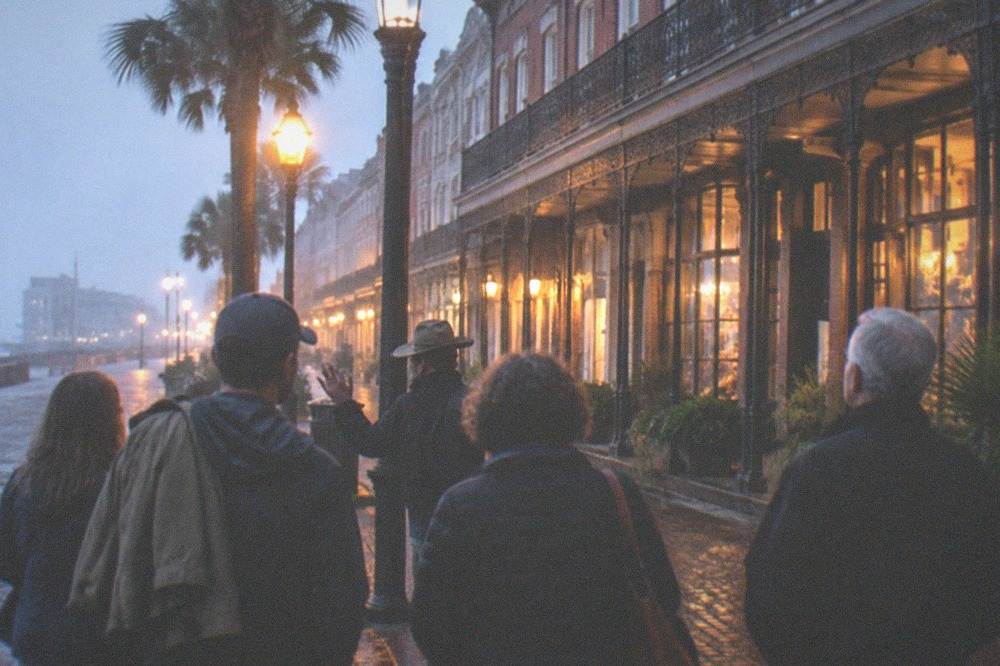
The operator-stated policy on weather also shapes the after-6 pattern. The walks run rain or shine, with reschedule or full refund options for heavy rain. The pub crawl specifically notes it proceeds in rain with indoor bar time, and the operator recommends an umbrella for the stretches between stops. That reliability is part of why the Strand's ghost-tour calendar stays full through the fall and winter, when coastal weather turns quickly.
That same plain-spoken approach carries over to the haunted cemetery tour page, where meeting point and refund terms are stated up front rather than tucked into fine print.
Hendley Green and the Strand-Mechanic District Name
The Galveston Historical Foundation calls the wider downtown area the Strand-Mechanic Historic District, a name that reflects the parallel streets of the old commercial core. Since 2013 GHF has developed Hendley Green, a downtown urban green space within the district, as a public gathering spot between the Strand and Mechanic Row.
The name "Strand-Mechanic" matters for navigation because several bars, venues and parking points sit closer to Mechanic Street than to the Strand's main storefront row. GHF's own materials use the paired name for the downtown historic district, and the conservation group has worked on the area for decades. The Strand itself is the tourist-facing commercial strip, but Mechanic Row, running parallel one block back, holds much of the district's quieter fabric. The two streets function as one district, and treating them that way explains why a "Strand" ghost tour can spend half its route on buildings that face Mechanic.
Hendley Green sits within this paired district as GHF's most visible recent project. The foundation began work on the green space in 2013, converting underused downtown land into a planted public area. The official page for the project, on GHF's own site, frames it as part of the foundation's long-term work in the Strand-Mechanic district. For visitors, Hendley Green functions as a shaded place to sit between shopping and a ghost tour, though its size is modest and it is best understood as a downtown pocket park, not a destination.
Dickens on The Strand, the Victorian-themed street festival, fills the district each December for its three-day run. The 2026 edition returns December 4 through 6, its 53rd year, and the festival closes the Strand to vehicles, fills it with costumed performers and vendors, and draws crowds that move through the same blocks the ghost tours use. Tour operators adjust for the closure, and visitors planning a December visit should treat festival days as a different Strand experience entirely. The festival details are also covered in the site's Dickens on The Strand primer.
The Strand-Mechanic pairing also explains the district's relationship to the other historic neighborhoods around it. The East End Historic District, also a National Historic Landmark from May 11, 1976, sits just east and contains the 1892 Bishop's Palace. The downtown district and the East End district meet around the boundaries of the commercial core, and ghost tours routinely cross between them. A visitor who understands the Strand-Mechanic name and the East End's separate designation can make sense of route descriptions that mention both.
Planning Your Strand Evening
A Strand ghost tour works best with a simple evening plan: arrive early, park after free street parking begins at 6 p.m. on the Strand, and allow about two hours for the walk plus a stop at a rooftop or pub afterward. Downtown paid parking enforcement ends at 6 p.m., so most tour guests arrive after the meters stop running.
Tickets for the Walk With the Dead tour can be reserved ahead online, which keeps the evening's plan as simple as the parking arrangements already are.
The parking logic is the first thing to sort out. The operator's own page states that parking on the Strand is free after 6 p.m., which aligns with the city's downtown enforcement schedule ending at that hour. Arriving at 5:45 p.m. for an 8 p.m. tour means paying for 15 minutes of parking; arriving at 6:05 p.m. costs nothing. The ghost-tour operators themselves start their walks later in part because the free parking window makes evening visits frictionless, and the 6 p.m. tours benefit from the same timing.
The timing plan works like this for a typical evening. Park near the chosen meeting point around 6:15 or 6:30 p.m. Walk the district's shopping blocks before most stores close. Eat dinner at one of the Strand-area restaurants. Meet the 8 p.m. tour at its published point. Finish around 9:30 p.m. and either head home or stop at a rooftop bar. The 10 p.m. walking tours extend the pattern by roughly two hours, ending near midnight, which pairs well with the pub crawl's bars but requires more late-night stamina.
For anyone mapping out an evening this way, the ghost tour's ticket page lists the exact meeting point and start details that the rest of the plan depends on.
| Planning Item | Practical Detail |
|---|---|
| Free street parking | After 6 p.m. on the Strand, per operator |
| Ghost tour times | 6, 8 and 10 p.m. daily |
| Tour lengths | 90 minutes, about a mile |
| Pub crawl | 8 p.m. nightly, 2 hours |
| Dress | Coastal evenings, layers recommended |
The "Historic District Walk, 1.5 Hours" meets at the 24th and Sealy gazebo, and because it is the roster's hero product, its meeting point is the easiest place to start if you have not booked ahead. The walk covers Ashton Villa, where the operator claims Bettie Brown's apparition appears, along with the Strand's core stops. The villa itself was built in 1859 by James Moreau Brown, a real Galveston hardware merchant, and the home's documented history is solid enough to hold a tour without the ghost layer. The operator presents both, and the balance works.
The Strand's evening logistics also include a few social rules worth knowing. The downtown entertainment district allows to-go alcoholic beverages in plastic cups of 16 ounces or less from licensed premises between 11 a.m. and 11:59 p.m., though the exact ordinance should be checked before relying on it. For getting home, the city's Get Home Safe page lists taxi services including Yellow Cab at 409-763-3333 and Busy Bee at 409-762-8429, along with rideshare options. The Galveston at night guide covers the full safety and logistics picture for after-dark stays.
Once your evening logistics are sorted, a historic Galveston ghost tour offers one of the more atmospheric ways to experience the Strand's storied blocks after dark.
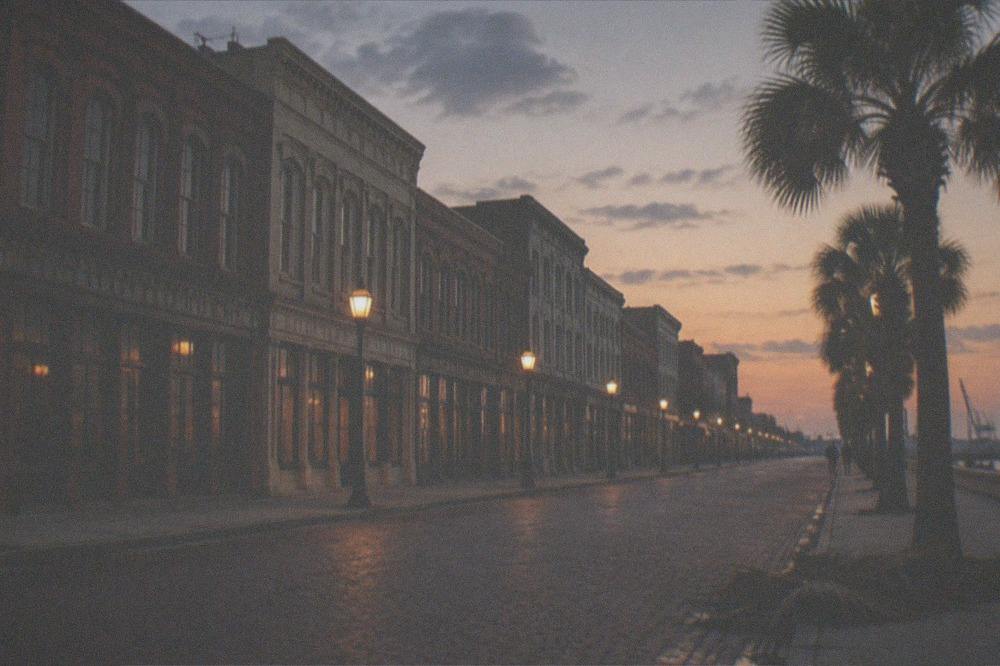
The Strand rewards a little planning because the district is small and the evening schedule is predictable. Know your meeting point, arrive after 6 p.m., and the logistics mostly take care of themselves. The ghost stories, the bars and the landmark architecture all sit within a few blocks of one another, and the walking tours are the most efficient way to see the whole set in a single pass.
Common Questions About the Strand District
What is the Strand in Galveston known for?
The Strand is known for its National Historic Landmark Victorian ironfront buildings, its shops and bars, and its role as the island's busiest ghost-tour corridor. Multiple evening walking tours meet on or near the street, and the district's bars anchor the nightly haunted pub crawl.
Where do the Galveston ghost tours start?
Meeting points vary by tour. The Strand walk meets at 2411A The Strand in front of Patrick's Bar. The District Walk meets at Trinity Episcopal Church on Avenue H. The Historic District Walk meets at the 24th and Sealy gazebo, and the pub crawl meets at 123 25th Street.
Is parking free on the Strand at night?
Yes, the operator states that parking on the Strand is free after 6 p.m., which matches the city's downtown enforcement schedule ending at that hour. Arriving after 6 p.m. avoids the paid parking window entirely.
What is Dickens on the Strand?
Dickens on The Strand is a three-day Victorian-themed street festival held the first weekend in December by the Galveston Historical Foundation. The 2026 edition returns December 4 through 6, its 53rd year, and closes the Strand to vehicle traffic.
Is the Strand safe to walk at night?
The district is well lit, busy with tour groups between 6 p.m. and midnight, and compact enough that most visitor routes stay within a few blocks of other people. For a fuller safety and logistics breakdown, the site's Galveston at night guide covers taxis, lighting and common routes.