Is Galveston Haunted?
An honest look at what the documented record supports, what legend tells, and why Galveston markets its ghosts so openly, with the tours that carry the stories.
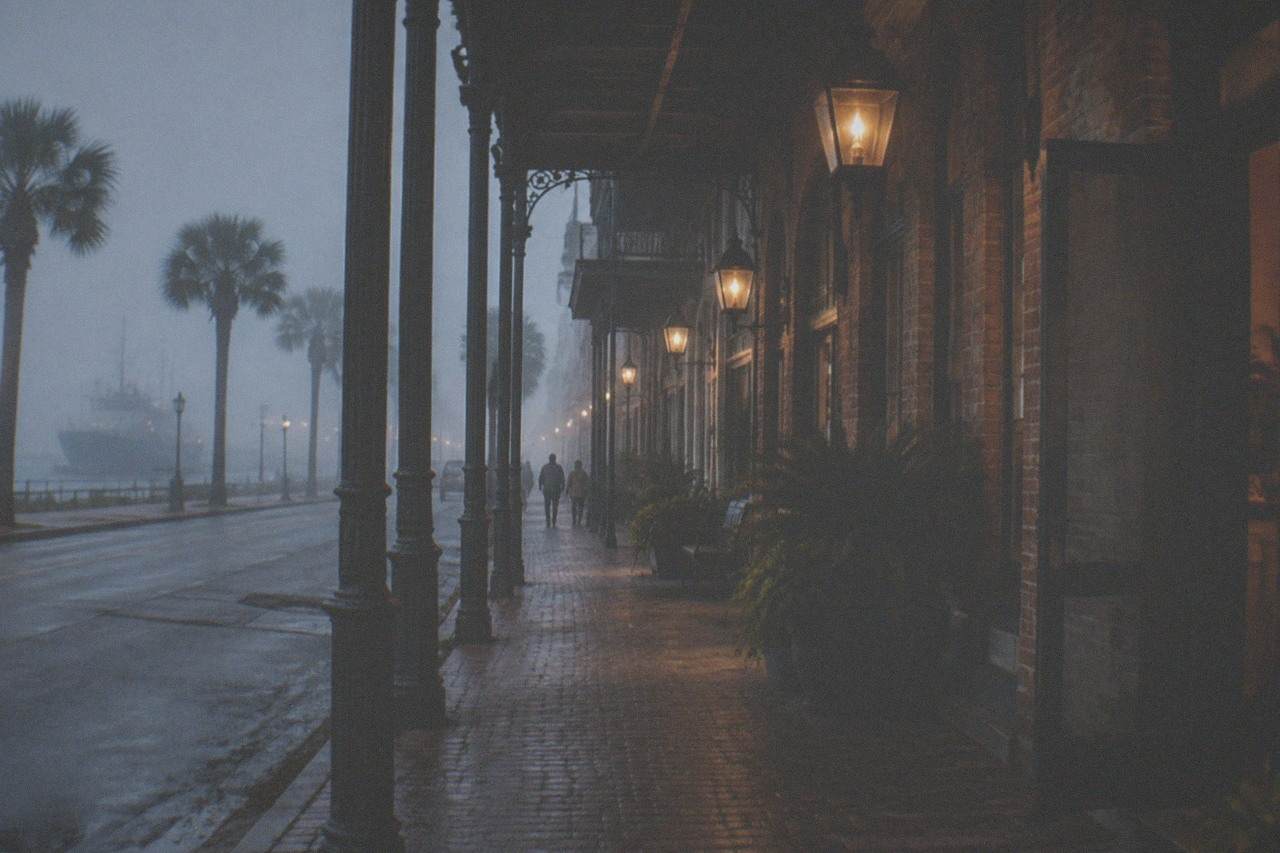
Is Galveston Haunted?
No document proves a ghost, and none ever will. What Galveston has instead is a documented catastrophe with a death toll sources still disagree about, a city that physically raised itself to survive, and a century of stories that grew out of both. The island's own visitor bureau calls it one of Texas' most haunted destinations, and three operators sell nightly walks through the legend. Whether the ghosts are real is a question the record cannot settle.
Start with what is actually written down. On September 8, 1900, a hurricane made landfall as a Category 4 storm south of Galveston, and the National Hurricane Center calls it the deadliest weather disaster in United States history. Storm tides of 8 to 15 feet inundated the whole island. The death toll is a recorded disagreement among official sources: NOAA cites 8,000 with estimates ranging from 6,000 to 12,000, the Texas State Historical Association gives 6,000 to 8,000 dead in the city and 10,000 to 12,000 for the island, the Galveston Historical Foundation says at least 6,000 from a pre-storm population of 37,700, and Visit Galveston prints "over 8,000." No single number is honest, so this article will not print one either.
Then came the aftermath, and this is where the ghost tradition gets its fuel. GHF's own account describes bodies cremated in pyres throughout the city. The city then built a seawall seventeen feet above mean low tide and pumped sand from the Gulf floor to raise the grade of entire blocks by as much as seventeen feet, work GHF calls the largest civil-engineering project in U.S. history. A town that burned its dead in the streets and then jacked its own buildings into the air is going to generate stories. That is not skepticism, it is just how memory works.
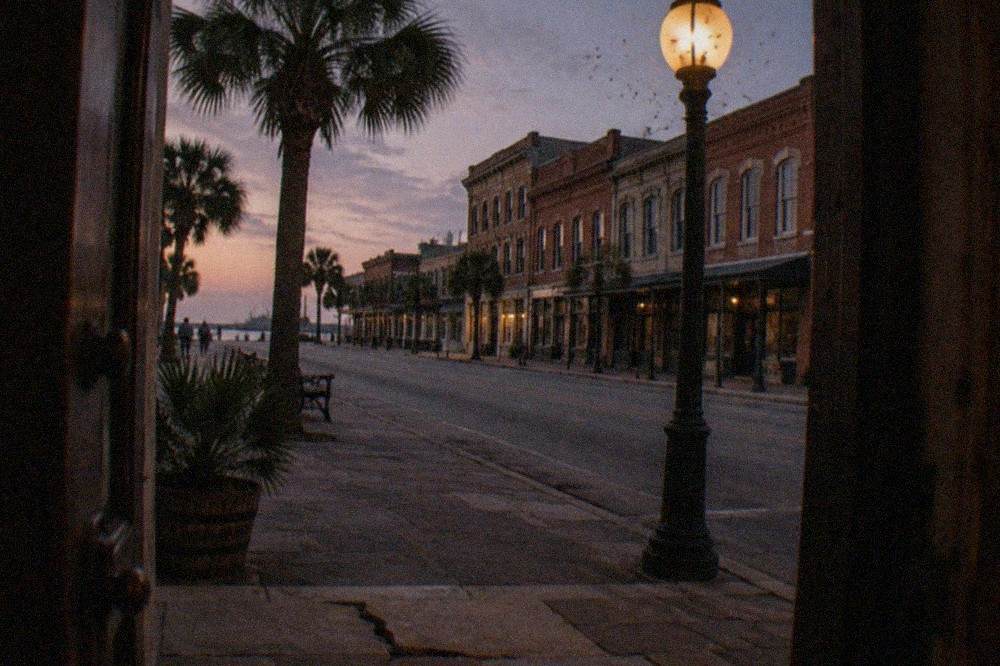
The storytelling side is a real industry, and it is worth separating its layers before you buy a ticket. The roster on this site covers twelve bookable products: seven walks, three crawls, one harbor boat and one Segway, 1.5 to 2 hours, from $24 to $76, run mostly by three operators. Every haunting you will hear on them, the Bettie Brown apparition at Ashton Villa, the Ghost Bride the hotel's own program promotes, the Railroad Museum engineer William Watson, the Sara of Sealy-Hutchings story, is an operator or legend claim, and the good guides say so out loud.
What the Historical Record Actually Supports?
Three facts are solid ground: the storm killed thousands, the recovery burned bodies in pyres across the city, and the engineering response physically lifted the town. Everything beyond that, every named ghost, every haunted room, is story. The Strand's National Historic Landmark designation of May 11, 1976 and Ashton Villa's 1859 construction date are documented. The hauntings attached to those buildings are not documentation, they are tradition, and Galveston does not pretend otherwise.
The distinction matters because Galveston's haunted reputation rests on a real foundation, not a marketing invention. The Strand Historic District earned its National Historic Landmark status in 1976, per the National Park Service's list, and the East End Historic District, which contains the 1892 Bishop's Palace, was designated the same day. Ashton Villa, built in 1859 by James Moreau Brown, has brick walls thirteen inches thick and withstood the 1900 hurricane. The Grand Galvez, long known as Hotel Galvez, opened in 1911 and has welcomed generations of travelers as the Queen of the Gulf.
Against that documented backdrop, the haunting claims are layered on top and attributed. The Historic District operator's page describes Ashton Villa as reportedly haunted by Brown's eccentric daughter Bettie, whose apparition has been seen, and calls it one of the most persistently haunted properties in Texas. The hotel's own ghost program promotes the celebrated story of the Ghost Bride and unexplained encounters. Ghost on the Strand's page tells of the engineer William Watson at the Railroad Museum and says the station saw over 40,000 people a day at its height, which is operator lore, not a census record.
If you want the fuller accounting of why the tradition exists at all, our companion piece on why the island earned its ghost reputation walks through the storm's legacy in more detail, and our guide to the island's most haunted places maps the named stops.
Why Do the Ghost Stories Feel So Specific Here?
Because the buildings they are attached to are real, documented, and still standing. A guide can point at the Tremont House, the Sealy-Hutchings Building, the Railroad Museum, and the Normandy Inn, and every one of those addresses exists and is visitable. The stories are attached to verifiable structures that survived the storm, which is why the telling feels grounded rather than generic. Specific buildings plus a real catastrophe equals a specific legend.
The named stops come straight off the operators' own pages. Ghost on the Strand's itinerary names the Tremont House, where guides tell of crying sobs, a Civil War soldier ghost, and a little boy ghost, and the Sealy-Hutchings Building, where the Sara ghost is said to appear on the staircase. The Historic District operator adds the Normandy Inn, a 1912 boarding house at 23rd and Avenue K that the operator's page calls the Demon House, and Ashton Villa's Bettie Brown. Ghost City Tours' location list runs to twenty named sites, from Bishop's Palace to the Old Oleander Hotel to Mother Harvey's Bordello.
None of those claims appear in any historical record. All of them appear in a storytelling tradition the island openly markets, and that honesty is the point. The visitor bureau's own haunted happenings page calls the island one of Texas' most haunted destinations while the historical foundation, in the same city, publishes the storm's documented toll in a range because the sources disagree. Both institutions are telling the truth as they see it. The ghosts are a living tradition, and traditions do not need forensic proof to be worth an evening.
Which Tours Carry the Stories Best?
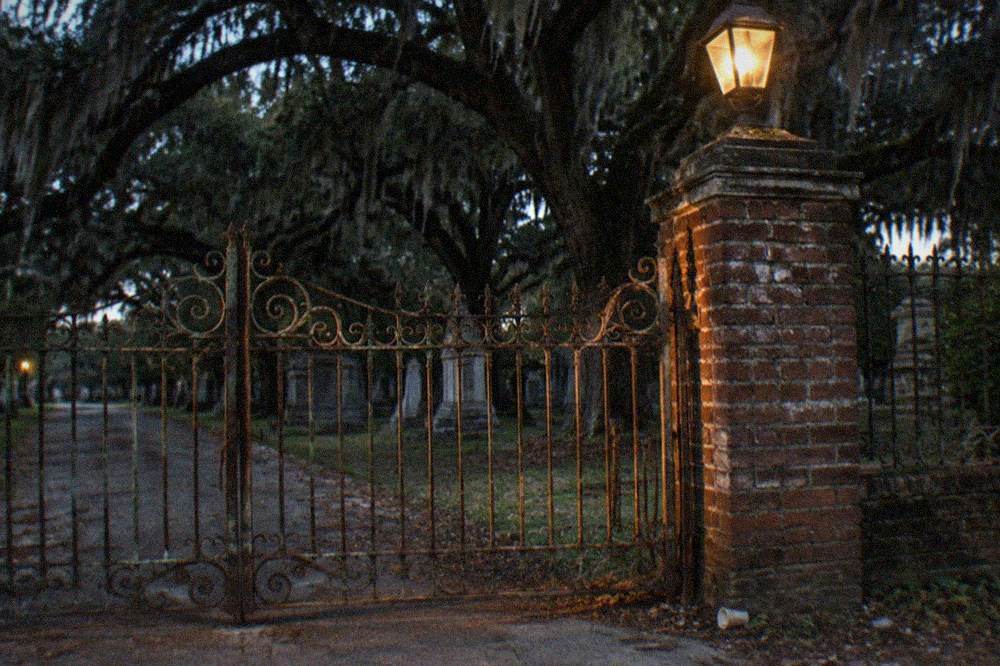
The walks that visit the documented sites do it best, and the roster gives you three clear entry points. The Historic District Walk, 1.5 Hours is the most reviewed product on the roster at 4.8 across 1,802 reviews, from $33, meeting at the 24th and Sealy gazebo. The Cemetery Walk, Costumed Guides runs from $31 at the Old City Cemetery gates. The Budget Fare, Broadway Meeting Point walk is the lowest from-price at $24.
Of the roster, the Cemetery Walk carries the strongest haunted-history angle, and its tour page is where you can review the itinerary and reserve a spot.
The Galveston Island Ghost Tour, the "Budget Fare, Broadway Meeting Point" walk, meets at 2328 Broadway Ave J, which puts you in the heart of the mansion district where Ashton Villa and the 1892 Bishop's Palace stand. It carries a 4.7 across 75 reviews and runs the standard 1.5 hours. For a first-time visitor who wants the haunted east side without paying the top of the range, it is the value pick on the roster, and it is this article's related tour for exactly that reason.
The Ghost City Tours District Walk, "The Ghosts of Galveston Guided Walking Tour," takes a different route: it meets at Trinity Episcopal Church at Avenue H and Kempner Street, runs all ages at 8 p.m., and carries a 4.7 across 76 reviews from $30. Because Ghost City Tours runs four Galveston products, its district walk shares a storytelling style with the company's cemetery and adults-only walks, so if you like one you will recognize the voice on the others.
Here is how the main walking options stack up against each other:
| Tour | Rating | From price | Duration | Meeting point |
|---|---|---|---|---|
| Historic District Walk, 1.5 Hours | 4.8 from 1,802 reviews | $33 | 1.5 hours | 2310 Sealy Ave gazebo |
| Budget Fare, Broadway Meeting Point | 4.7 from 75 reviews | $24 | 1.5 hours | 2328 Broadway Ave J |
| Ghost City Tours District Walk | 4.7 from 76 reviews | $30 | 1.5 hours | Trinity Episcopal Church |
| The Strand Meeting Point Walk | 4.7 from 281 reviews | $31 | 1.5 hours | 2411A The Strand |
Every product on the roster carries free cancellation on the listing, which matters for a walk that depends on weather and evening energy. The operators' own pages price the Historic District and Strand walks at $30 adults and $22 children ages 3 to 12 at the box office, with active-duty military, police, and fire always free with no ticket needed, and those are a separate price layer from the listing from-prices above.
For either walk, the tour's ticket page is where the listing price and its free cancellation policy actually apply to your booking.
Does the Storm Explain Every Ghost Story?
Mostly, but not entirely. The storm tradition explains the scale of the haunting lore, the pyres, the grade raising, the survivor houses still standing. But some stories attach to older events, the Civil War soldier at the Tremont House, the orphanage tradition, the pirate Jean Lafitte material on the harbor boat, and a few are pure invention layered onto a real address. The storm is the engine of the tradition, not the whole of it.
Galveston was a maritime commercial center since 1825, a cruise port handling nearly 4 million passenger movements a year through four terminals today, and a wealthy city that had Texas' largest buildings before the storm ever hit. The haunting tradition draws on all of it. The harbor boat narrates 1900 Storm losses alongside pirates and shipwrecks. The pub crawl tells stories inside bars that occupy buildings older than the storm, like the Hutchings, Sealy and Company block on the Strand.
What the storm adds is gravity. When a guide tells you the Mayfield Manor building tradition ties it to use as a temporary morgue after the hurricane, that is legend, not documented history, and the building's haunted house closed in September 2025 anyway. When a guide points at a survivor house with a GHF plaque, that part is real and you can verify it yourself. The best nights out on these walks hold both facts in the same hour.
For the storm's full human accounting, our piece on how many died in the 1900 Storm lays out every official figure and the disagreement between them.
Can You Experience the Haunted Side Without Believing in Ghosts?
Yes, and most guests do. A 1.5-hour walk through the Strand or the Broadway mansion district is a history tour after dark either way: you see the 1976 National Historic Landmark district, the 1859 Ashton Villa, the 1911 hotel, and you hear a century of island storytelling from a costumed or practiced guide. The ghost question stays open the whole time. Believers get their shiver, skeptics get architecture and history, and both get the same mile of walking.
The walks are built for that split audience. The Historic District operator's FAQ says its tours are fun and appropriate for all ages, run every day rain or shine with reschedule or refund for heavy rain, permit wheelchairs and dogs, and last 90 minutes covering about a mile with frequent stops. There is no bathroom on the route, so plan ahead. The Ghost City adults-only option, the "Adults-Only Ghost Walk," runs 16-plus per the operator's own schedule so the storytelling can go darker, and the "2-Hour Pub Crawl, Drinks Extra" version is strictly 21-plus with valid ID, nightly at 8 p.m., drinks purchased at stops and not included in the from $34.99 ticket.
The version you pick mostly comes down to who is in your party, and the Ghost on the Strand tour page lays out both the standard walk and the darker adults-only telling.
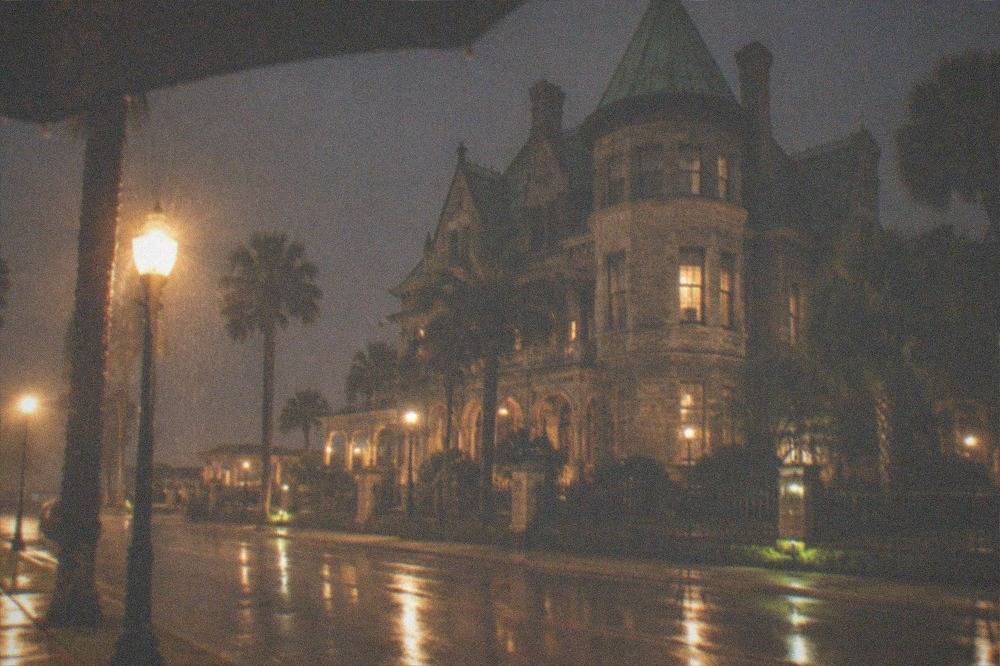
If you would rather judge the haunted claims from the water, the "Nighttime Harbor Boat Ride" runs year-round with multiple night departures in roughly the 7:30 to 10:30 p.m. range from the Pier 21 area, family-friendly with no jump scares, at 4.8 across 448 reviews from $56.02. The Segway option, "Segway Tour, Training Included," covers more ground in 2 hours from $76 with a 4.7 from 33 reviews, a small pool, so judge that one on its route rather than its rating.
What Should a Skeptic Do With All This?
Take the walk anyway, and treat the stories as what they are: the island's own oral history, told nightly, attached to buildings you can touch. The honest framing is that Galveston does not claim forensic proof of ghosts, it claims a tradition, markets it openly, and lets you decide. Bring comfortable shoes, arrive ten to fifteen minutes early, and let the record and the legend share the same evening.
The walk that lets you weigh the record against the legend in person is the Historic Galveston Ghost Tour, and its ticket is simply your place among the nightly listeners.
That is the position Galveston Ghost Tours takes across this whole site: print the documented figures with their sources, attribute every haunting to whoever tells it, and route you to the walks where the tradition actually lives. The 6, 8 and 10 p.m. slots on the walking products mean you can book a same-week evening without much planning, and free cancellation on every listing removes the risk of a rainy change of heart.
Common Questions About Galveston Hauntings
is galveston haunted?
Not provably, no. What Galveston has is a documented catastrophe, the 1900 Storm, with a death toll official sources still disagree about, a recovery that included cremation pyres and a citywide grade raising, and a century of ghost stories attached to the surviving buildings. The island markets that tradition openly through nightly walking tours, and whether you believe the ghosts is yours to decide after you hear them.
Why is Galveston known for ghosts?
Because the 1900 Storm killed thousands on a small island, the recovery left mass cremations and a raised city grade in living memory, and the surviving Victorian buildings gave storytellers real addresses to attach tales to. Three tour operators now run nightly walks through that tradition, and the visitor bureau promotes the island as one of Texas' most haunted destinations.
What's the most haunted place in Galveston?
Legend gives that title to several contenders, and the claims are operator or property tradition, not record. The Grand Galvez, long known as Hotel Galvez, promotes its Ghost Bride story through its own program. Ashton Villa's Bettie Brown apparition appears on the Historic District operator's page. The Tremont House and the Railroad Museum anchor the Strand walks. No document ranks them, so take the title as storytelling.
What happened in Room 501 Hotel Galvez?
The Ghost Bride of Room 501 is a legend the hotel's own ghost program promotes and retells on its tours. It is not a documented historical event, and this article will not invent details the tradition does not carry. Hear the full version from a guide on the Strand walks or from the hotel's own program.
Is it safe to walk around Galveston at night?
The tour districts are walkable at night and the tours themselves run at 6, 8 and 10 p.m. Downtown street parking is enforced until 6 p.m. and free after, the walks cover about a mile at a leisurely pace, and the city's Get Home Safe page lists taxi numbers and a non-emergency police line for the ride back. Use normal city judgment.