What Is the Most Haunted Place in Galveston?
The strongest candidate for Galveston's most haunted place, the runners-up the operators' own lists agree on, and the walking tours that actually visit each one.
What Is the Most Haunted Place in Galveston?
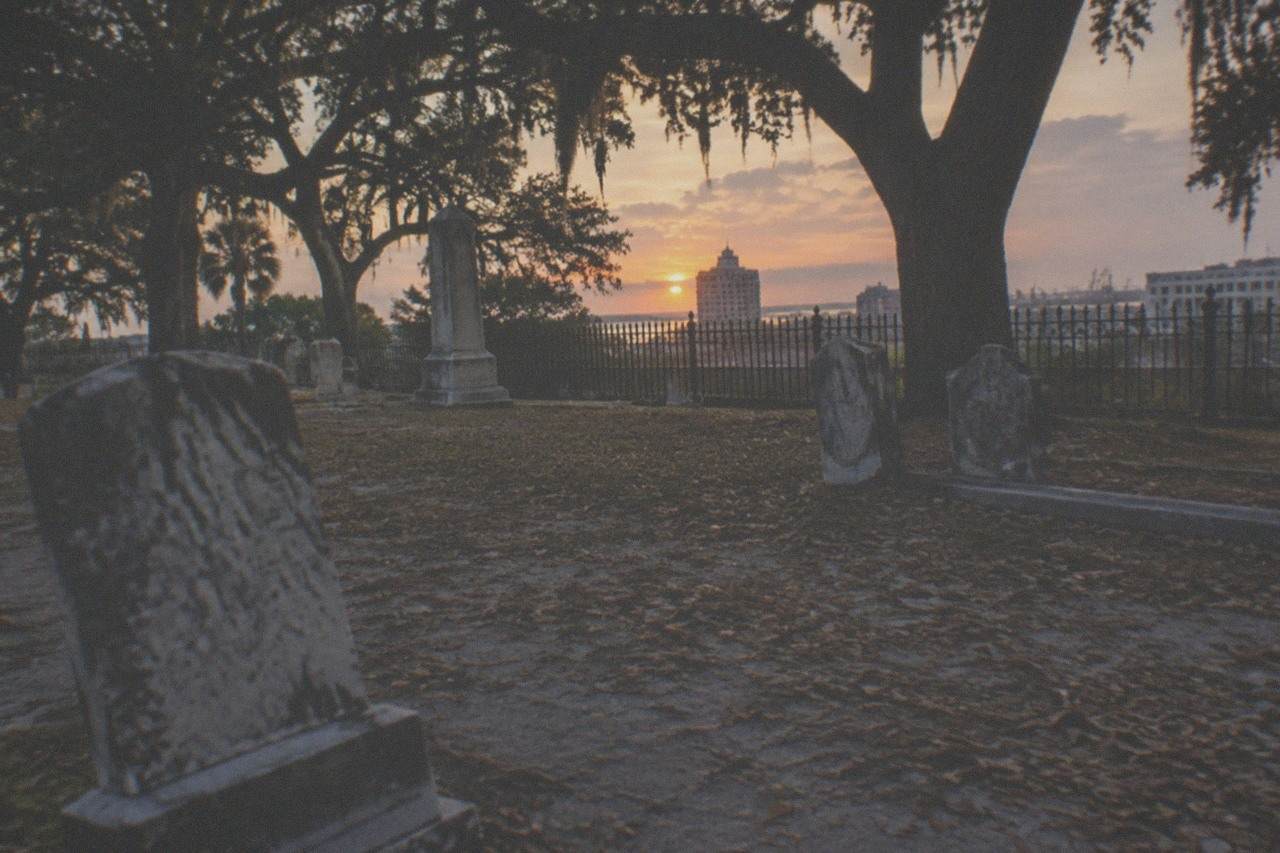
The strongest single candidate is the Broadway cemetery district, the cluster of old graveyards along Broadway where two cemetery ghost tours now walk nightly. The Strand's named buildings, the Railroad Museum, the Tremont House and the Sealy-Hutchings Building among them, sit a close second. That is not one writer's opinion: it is where the operators' own published location lists converge, the one place every haunted Galveston roster circles back to.
The question gets asked constantly, and the answers online tend to scatter: one listicle says the hotel, another says a mansion, a third invents something no tour visits. A cleaner way to settle it is to read what the people who run the tours actually put on their itineraries. When you lay the operators' own pages side by side, the cemetery district is the only candidate that appears on essentially all of them, and the Strand buildings appear on most. The rest of the field, Ashton Villa, the Grand Galvez, the old orphanage site, are stops on some walks and absent from others. The Ghost City Tours list alone names the district twice, Broadway Cemetery and Old City Cemetery, alongside Evergreen and New City.
So if you want a route that covers the ground the operators themselves keep returning to, the ghost walk through the cemetery district is the one that puts those same stops under one guide.
Since essentially every operator already includes the cemetery district, the real choice among walks is what else they cover, and the Strand is the stop most itineraries share, which makes Ghost on the Strand a sensible place to start.
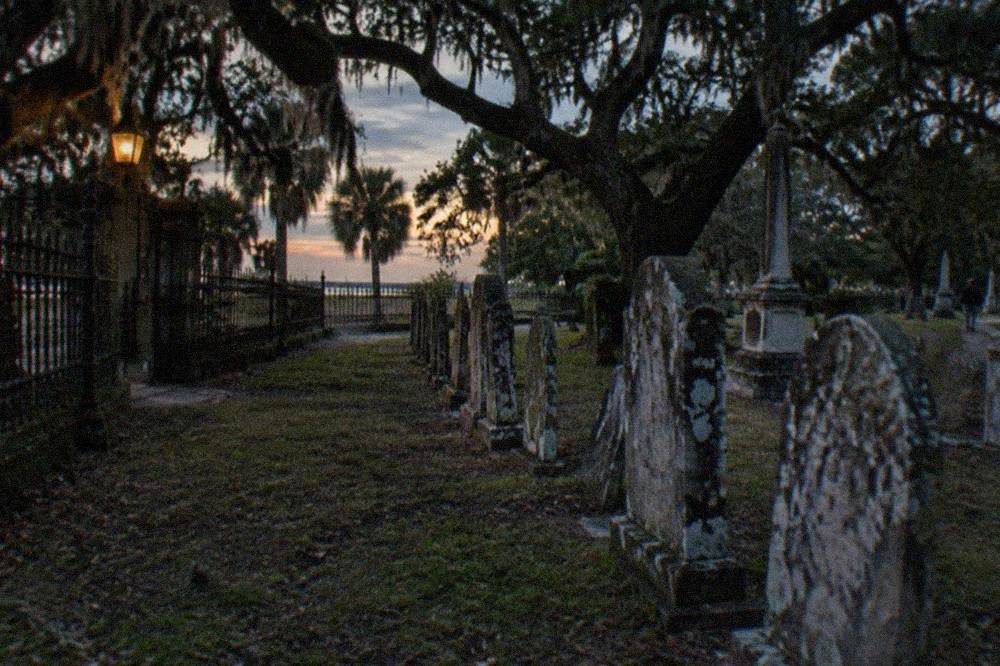
The reasoning is not mysterious. Galveston lost thousands of residents in the 1900 Storm, the deadliest weather disaster in United States history, and the burial ground along Broadway holds generations of the city's dead from before and after that night. Legend and operator storytelling have layered onto that reality for decades. If you want the fuller map of haunted sites beyond the verdict, the browse page at haunted places across Galveston lists the named stops building by building.
The three tours below are the ones most likely to put you inside the two strongest candidates in a single evening: cemetery ground first, Strand buildings second.
Why the Broadway Cemetery District Tops the List
Two of the twelve bookable tours on the island spend the full 1.5 hours inside the cemetery district, and no other single location can claim that. Ghost City Tours names Broadway, Old City, New City and Evergreen cemeteries on its own haunted Galveston list, while two separate cemetery walks, one from each major operator, run nightly from the gates at Avenue K. The concentration is the argument: where the storytellers gather, the legend consensus forms.
The district is a real place with real history underneath the ghost stories. The Galveston Historical Foundation's own cemetery work documents burial grounds dating to the island's earliest decades, including Rosewood Cemetery, formed in 1911 as the city's first burial ground designated exclusively for African Americans, with 411 graves in the records and only around 20 markers still standing. The foundation's page on Rosewood Cemetery records those figures, and the foundation runs an annual Sacred Places Tour of the city's cemeteries.
On top of that documented history sits the legend layer, and it should be labeled as such. Guides tell of the 1900 Storm dead, of graves disturbed by storms and grade-raising, of figures seen among the markers after dark. None of that is documented history; it is the storytelling tradition, and the operators are the first to say so in their framing. What is documented is that the storm's death toll was catastrophic and remains a recorded disagreement among official sources: the National Hurricane Center cites 8,000 with estimates from 6,000 to 12,000, the Texas State Historical Association gives 6,000 to 8,000 dead in the city and 10,000 to 12,000 for the island, the Galveston Historical Foundation says at least 6,000 from a pre-storm population of 37,700, and Visit Galveston says over 8,000. The range is the fact. Any single number is a guess dressed up.
If you want to walk the district with a guide, the Ghost City Tours Cemetery Walk is the direct route: from $29.99, 4.6 from 204 reviews, 1.5 hours, meeting at the cemetery gates at Avenue K and 43rd St.
The rival walk covers the same ground with a different flavor: the Cemetery Walk, Costumed Guides product from the Historic District operator runs 1.5 hours from $31, 4.8 from 418 reviews, with costumed guides per the listing, meeting at the Old City Cemetery gates at 40th St and Avenue K. Between the two, the cemetery district is the easiest "most haunted" verdict on the island to test personally, on foot, any night of the week.
The Strand's Named Buildings: The Strongest Runner-Up
If the cemeteries win on concentration, the Strand wins on specificity, because here the hauntings have names, rooms and stories attached. The Ghost on the Strand operator page names the Galveston Railroad Museum, the Tremont House and the Sealy-Hutchings Building as its core stops, each carrying an attributed legend. A haunted place with a named ghost beats a haunted place without one in most tellings.
The legends themselves are specific. The museum carries the story of William Watson, the engineer said to have been decapitated in the yards; the Tremont House carries crying sobs, a Civil War soldier ghost and a little boy ghost; the Sealy-Hutchings Building carries the Sara of the staircase story. Each is an attributed legend, not documented history, and the guides who tell them are the first to frame them that way. More pages covering the same trip live on Galveston Ghost Tours.
The Strand Historic District itself is a National Historic Landmark, designated 05/11/1976 on the official National Park Service list, and the buildings are genuinely old and genuinely occupied, which is why the stories stick. The operator's own page is careful about the lore even as it sells it: the claim that the railroad station once saw over 40,000 people a day is operator lore from Ghost on the Strand's page, not a documented figure. The William Watson decapitation story is the same category, a story the guides tell, well told, and labeled as such.
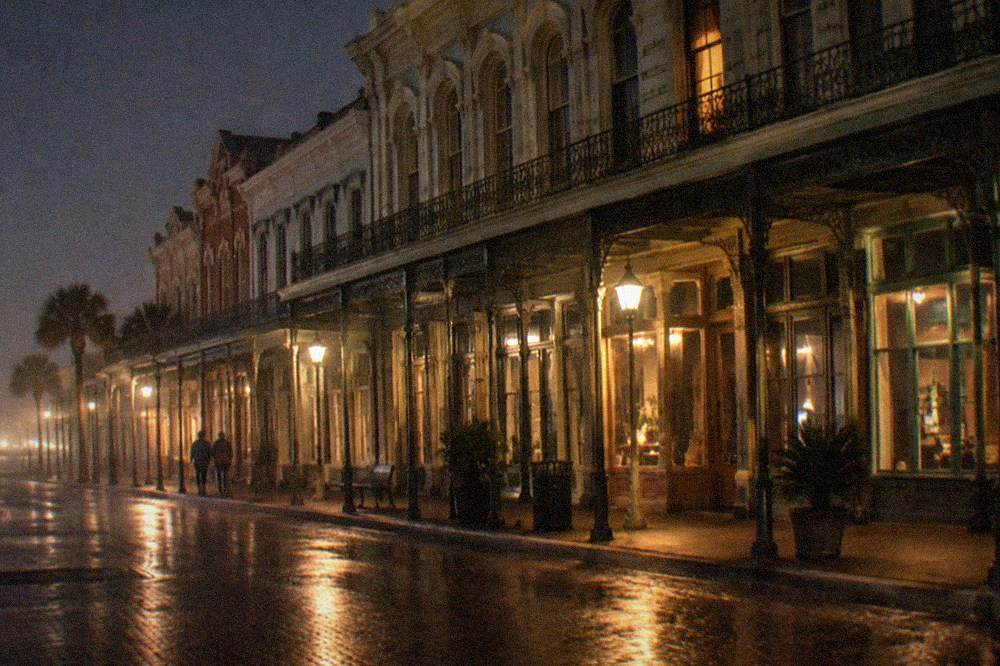
The Tremont House claims deserve the same attribution discipline. The operator's page describes crying sobs, a Civil War soldier ghost and a little boy ghost at the 2300 Ship Mechanic Row hotel. The hotel's own rooftop bar is a real, verified amenity from the visitor bureau's directory; the ghosts are the operator's telling. That split, real building, attributed legend, is the honest way to read every entry on this list.
The Strand meeting point walk from the Historic District operator is the tour built for exactly this stretch: 1.5 hours, from $31, 4.7 from 281 reviews, meeting at 2411A The Strand in front of Patrick's Bar. The district's ghost walks are covered in more depth in the cemetery and walking tour guide, which compares the two operators' graveyard routes stop by stop.
The Ranked Runners-Up, and Who Tells Each Story
Every candidate below appears on at least one operator's published list or the property's own ghost program, which is the only admission standard used here. The ranking reflects how many independent rosters name the place and how specific the attached legend is. No candidate is documented as haunted; every entry is an attributed claim from the operator or property that promotes it.
| Rank | Place | The story, attributed | Who tells it | Tour that visits it |
|---|---|---|---|---|
| 1 | Broadway cemetery district | Storm dead, disturbed graves, figures among markers | Ghost City Tours list; both operators' cemetery walks | Ghost City Tours Cemetery Walk; Walk With The Dead |
| 2 | The Strand's named buildings | William Watson at the Railroad Museum; Tremont House figures; Sara of Sealy-Hutchings | Ghost on the Strand's own page | The Strand Meeting Point Walk |
| 3 | Ashton Villa | Bettie Brown's apparition, "one of the most persistently haunted properties in Texas" | Historic Galveston Ghost Tours' own page | Historic District Walk, 1.5 Hours |
| 4 | Grand Galvez, long known as Hotel Galvez | The Ghost Bride of Room 501 and "unexplained encounters" | The hotel's own ghost program | Not on the rostered walks; see the hotel's own tour |
| 5 | The old Mayfield Manor site | The 1900 morgue tradition in the Butterowe Building | Legend tradition; the attraction is closed | None; the successor is the harbor boat |
Two footnotes keep that table honest. The Grand Galvez runs its own ghost tour and promotes the Ghost Bride story itself, per the hotel's own ghost program page, but that program is not on this site's rostered tours, and this article routes readers to the featured walking tours rather than the hotel's. And Haunted Mayfield Manor is closed, since on or around September 9, 2025, so the morgue tradition survives only as legend; its successor offering is the year-round Haunted Harbor Tours boat, from $56.02, 4.8 from 448 reviews.
Which Tour Actually Visits Each Candidate
Matching candidate to tour is the practical half of the question, and the answer is short: the cemetery district is served by two dedicated walks, the Strand buildings by one Strand-focused walk, Ashton Villa by the Historic District walk, and the harbor hauntings by the boat. Prices run from $24 to $76 across the whole roster, and every product carries free cancellation on the listing.
Nothing on the rostered walks requires you to pick a single most haunted place; the tours are built to stack several candidates in one evening. The pairing logic is simple. If the cemetery verdict is what drew you, choose between the Ghost City Tours Cemetery Walk at from $29.99 and the costumed-guide Cemetery Walk at from $31; the two are separate products with separate review pools, 204 and 418 reviews respectively, and slightly different gates. If the Strand's named buildings are the pull, the Strand Meeting Point Walk starts in front of Patrick's Bar and covers the Railroad Museum, Tremont House and Sealy-Hutchings stretch. If you want the mansion layer, Ashton Villa and its Bettie Brown legend sit on the Historic District Walk, 4.8 from 1,802 reviews, from $33, the most reviewed tour on the roster.
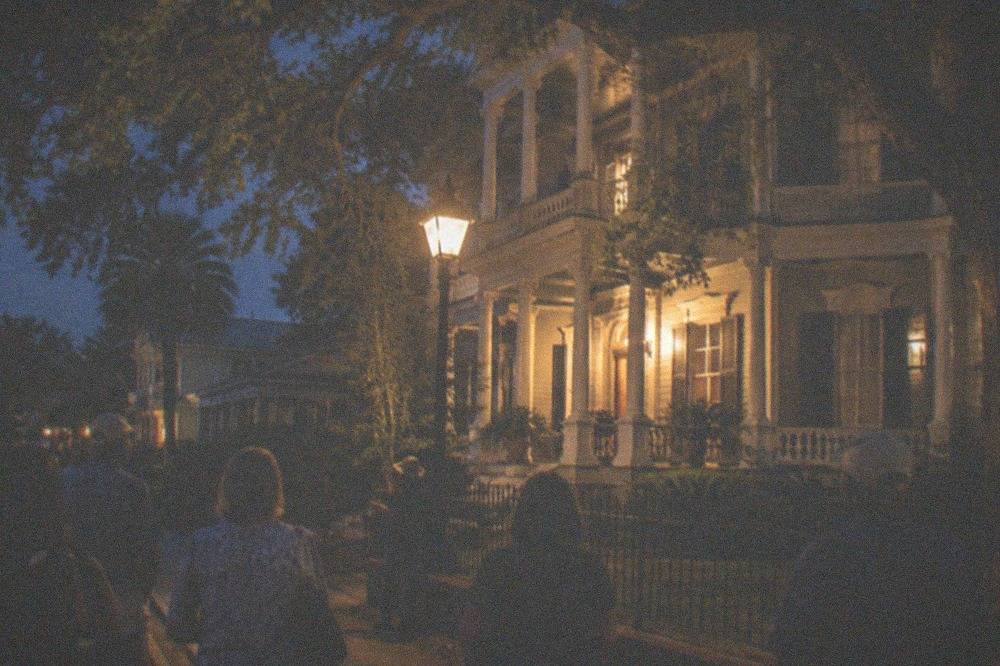
The Ghost City Tours District Walk is the flexible middle option: from $30, 4.7 from 76 reviews, all ages, meeting at Trinity Episcopal Church at Avenue H and Kempner St, an 8 p.m. start that covers the operator's broader haunted list without committing to one district. For the full comparison of all twelve products, including the adults-only walk and the pub crawl, the tour-by-tour comparison guide lays out price, rating and meeting point side by side.
Why Galveston Concentrates Its Hauntings
The island's haunted reputation rests on one documented catastrophe and one documented engineering response. The 1900 Storm killed thousands, with official sources still disagreeing on how many thousands, and the recovery that followed, a seventeen-foot seawall and a grade-raising that lifted the city by as much as seventeen feet, required raising 2,146 buildings plus streetcar tracks, fireplugs and water pipes.
The Galveston Historical Foundation calls the seawall and grade works the largest civil-engineering project in U.S. history, its own phrasing, and that scale of disruption is the seedbed of the legend tradition. The visitor bureau leans on the same history in its own positioning: Galveston Island, home of the deadliest natural disaster in U.S. history, is one of Texas' most haunted destinations. The seawall proved its worth in the 1915 hurricane, when only 11 people perished within city limits, per the foundation's account. The annual September 8 public memorial at the 1900 Storm Memorial at 49th and Seawall keeps the memory institutional, and the Rosenberg Library Museum's Great Storm of 1900 exhibit, opened September 8, 2025, was the first museum exhibition solely focused on the storm at the library.
Where the official memorials keep the record institutional, a historic Galveston ghost tour carries the legend tradition back into the streets where the storm's stories first took root.
None of that history proves a single ghost. What it explains is why the storytelling is so dense here, and why the operators' lists keep converging on the places where the storm and the recovery touched hardest: the cemeteries that hold the dead, the downtown buildings that were raised on pumped sand, the harbor that took the storm tides. The legend tradition grew out of documented loss, and the tours are, at their best, a walking retelling of that loss with the lights off. For the deeper background, the island's ghost-lore story traces how the reputation was built, storm by storm and story by story.
The practical takeaway for a visitor is that the "most haunted place" question has a usable answer rather than a mystical one. Walk the cemetery district on a guided evening route, then walk the Strand's named buildings the next night, and you have covered the two strongest candidates the legend consensus has produced. Book the walks, bring comfortable shoes, and let the guides tell you who is said to still be there.
Common Questions About the Most Haunted Place in Galveston
What's the most haunted place in Galveston?
The Broadway cemetery district, by the convergence of the operators' own location lists, with the Strand's named buildings, the Railroad Museum, the Tremont House and the Sealy-Hutchings Building, as the strongest runner-up. Two dedicated cemetery walks and one Strand walk visit them nightly.
spookiest place in galveston
The cemetery district is the legend-consensus answer, but if "spooky" means a specific named ghost, the Strand's Railroad Museum and its William Watson story, told by the Ghost on the Strand operator, is the most specific legend on the island.
Can you visit Galveston's most haunted places on a tour?
Yes. The Ghost City Tours Cemetery Walk and the costumed-guide Cemetery Walk both cover the cemetery district, and the Strand Meeting Point Walk covers the Railroad Museum, Tremont House and Sealy-Hutchings stretch. All run about 1.5 hours nightly, from $29.99 to $31.
What is the most haunted cemetery in galveston?
The Broadway cemetery district as a whole is the answer the tours converge on, with Old City Cemetery the specific ground the costumed-guide walk starts from. Ghost City Tours' own list names Broadway, Old City, New City and Evergreen cemeteries.
Is the Hotel Galvez the most haunted place in Galveston?
The hotel, now Grand Galvez, long known as Hotel Galvez, promotes its own Ghost Bride of Room 501 story through its own ghost program, but it is not on the rostered walking tours. The cemetery district and the Strand outrank it on the operators' published lists.
Why is Galveston known for ghosts?
Because the 1900 Storm, the deadliest weather disaster in U.S. history, killed thousands here, with official estimates ranging from 6,000 to 12,000, and the recovery reshaped the entire island. The legend tradition grew on that documented loss, and the tours retell it nightly.